
Yes. Its robust, one-piece construction allows for integrated ligature-resistant and vandal-resistant designs, making it ideal for mental health, correctional and other secure facilities. Because safety features are incorporated into the moulded form rather than added as separate components, the result is cleaner to install and more effective in use.
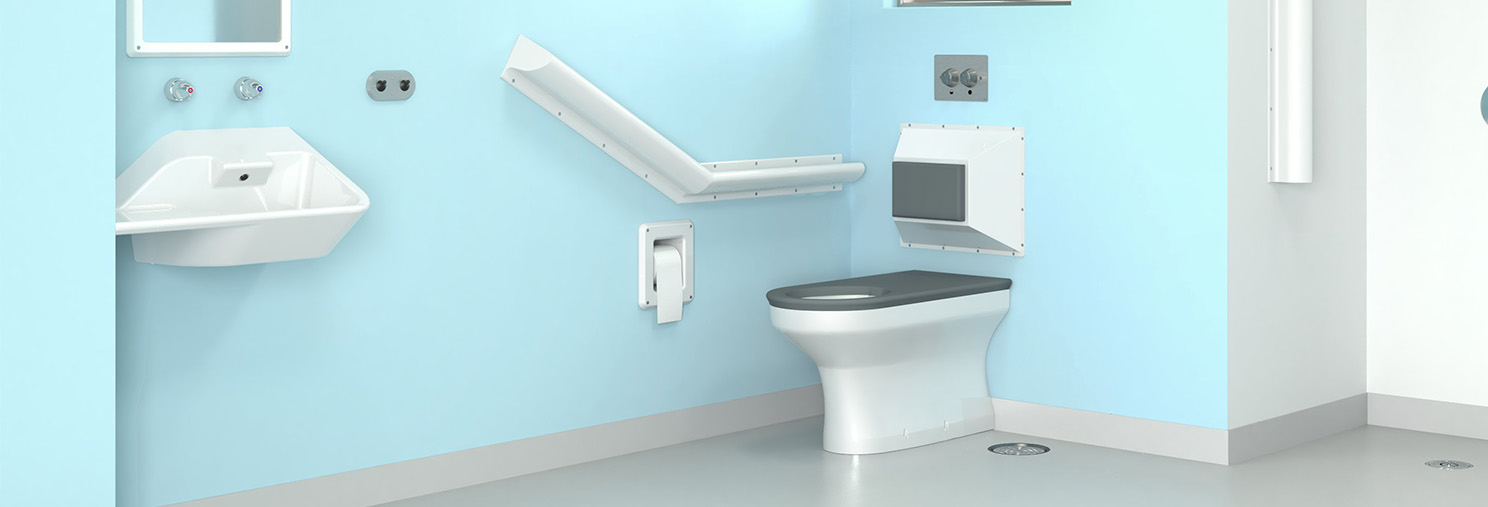
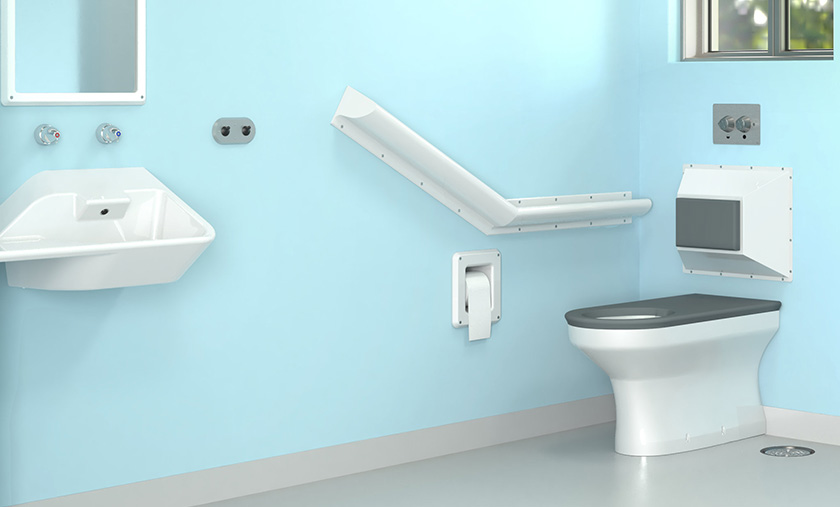
At Galvin, we understand that specifying the right sanitaryware is critical to the success of commercial, institutional and high-risk projects. One material that continues to set the benchmark for performance, hygiene and longevity in washrooms and sanitary spaces is solid surface.
What Is Solid Surface?
Solid surface is a high-quality, engineered composite formed from mineral fillers and resins to create a dense, non-porous material. Unlike traditional ceramics, which can have porous surfaces and seams, solid surface sanitaryware is moulded in one piece — resulting in a seamless finish with superior durability and cleanability.
Key Benefits of Solid Surface Material
- Hygiene and Infection Control
Because solid surface is non-porous and seamless, it eliminates joints and crevices where water, dirt and bacteria can accumulate. This makes it more hygienic and easier to clean - a crucial advantage in healthcare, mental health, aged care and public restrooms where infection control is a priority.
- Durability and Renewability
Solid surface products are engineered to withstand heavy, high-traffic use while maintaining their appearance and performance. As a homogenous material throughout, minor scratches or scuffs can be easily refinished, restoring the surface to its original condition. This renewability extends the product’s service life and helps reduce whole-of-life costs — a significant advantage in environments subject to constant use and wear.
Rated 5 under ISO EN 19712-3, solid surface offers excellent resistance to stains, surface wear and cigarette burns, ensuring long-term performance in high-traffic settings.
- Vandal and Ligature Resistance
All Galvin solid surface sanitaryware items are designed with vandal resistance and safety in mind, with some models also incorporating ligature-resistant features. The material cannot shatter, and products are designed with no removable seat or exposed fixings. The robust, one-piece construction and integrated forms help deter damage, offering peace of mind in public facilities, transport hubs, correctional environments, and mental health units.
- Fire Performance and Compliance
Solid surface is non-flammable and achieves high fire safety ratings, including BS476 Part 6 & 7 Class ‘0’ and Class ‘1’, and compliance with Building Regulations 2010 Approved Document B (Class B-s3, d2). This makes it suitable for healthcare, education and other high-occupancy environments where fire safety is essential.
- Aesthetic Versatility
Beyond performance, solid surface delivers a clean, contemporary appearance that works well across commercial, institutional and therapeutic environments. The smooth, seamless finish complements modern architectural design without the clinical coldness that can characterise other materials commonly specified in institutional settings. Available in a range of colours and profiles, it gives designers and specifiers the flexibility to meet both functional and aesthetic briefs - supporting positive wellbeing outcomes in mental health and aged care spaces, while holding up to the demands of high-traffic public and education facilities.
- Normalised Aesthetic and Warm Touch Finish
People in mental health inpatient units and aged care environments are in care, not in custody - and contemporary design philosophy treats normalisation, the use of domestic, home-like environments, as a key principle for supporting recovery and reducing agitation. Stainless steel sanitaryware is the right answer in heavy custodial settings, but it signals an institutional environment that is inappropriate for patients in care. Ceramic delivers a domestic appearance but introduces shatter and ligature risk. Wallgate solid surface combines the warmth, profile and finish of a residential WC with the safety and durability required of a secure environment — making it the material of choice where normalisation is a design objective.
Solid surface composite is also warm to the touch. Unlike stainless steel - which retains the cold of the bathroom and can feel harsh year-round - solid surface presents a thermal finish closer to a domestic ceramic pan. This matters in cooler climates, in unheated ensuites, and particularly for users with tactile or sensory sensitivities, including patients with dementia, anxiety, or sensory processing differences where a cold, hard touch can trigger distress, agitation or refusal of care.
Industries That Benefit Most from Solid Surface Sanitaryware
Solid surface sanitaryware is particularly suited to environments where durability, hygiene and safety are non-negotiable:
- Healthcare and Hospitals - infection control and easy cleaning
- Mental Health and Correctional Facilities - ligature resistant, robust construction
- Aged Care and Dementia-Friendly Spaces - dignity, accessibility and comfort
- Education and Public Facilities - high traffic and vandal resistant performance
- Transport and Public Areas - elevated durability in busy environments
When and Why to Specify Solid Surface Sanitaryware
Solid surface sanitaryware is the right choice when your project demands:
- Superior Hygiene: The non-porous, seamless construction helps prevent the accumulation of bacteria, moisture and contaminants, supporting stringent cleaning and infection control requirements.
- Extended Service Life: Solid surface material can be repaired and refinished if scratched or damaged, reducing replacement costs and delivering long-term value.
- Enhanced Safety: Integrated, one-piece designs can incorporate ligature-resistant and vandal-resistant features, making them suitable for secure and high-risk environments.
- Regulatory Confidence: Well suited to healthcare, aged care, education and custodial facilities where compliance with high-care and safety standards is essential.
In short, it’s the premium solution where performance, safety and cleanliness are key design outcomes.
Galvin’s Solid Surface Sanitaryware Range
Galvin’s comprehensive sanitaryware range features an extensive selection of solid surface products. These are engineered with the needs of commercial and institutional environments front of mind:
- Wallgate Solid Surface WC Pans
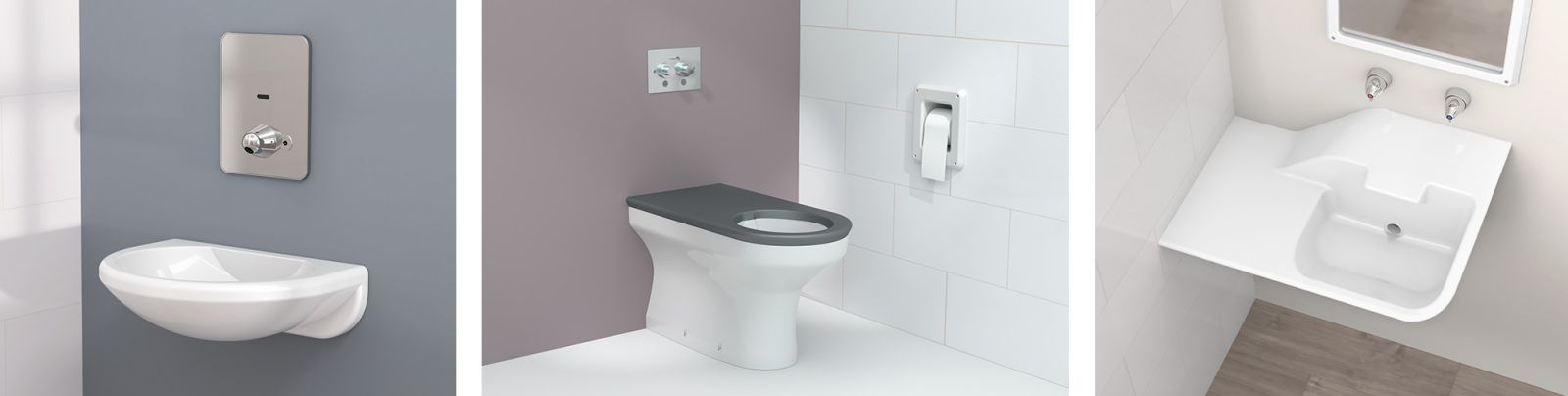
Featuring ligature-resistant designs available in a variety of sizes, with front or rear fix options. Their seamless, single-piece construction allows for easy cleaning, and multiple configurations are available to suit different project requirements.
- Wallgate Solid Surface Wash Hand Basins
Designed to be durable and secure, with a smooth, easy-to-clean finish. They are available in a range of models to suit different layouts and installation needs.
- Wallgate Solid Surface Accessories
The range also includes matching solid surface accessories to create a complete, cohesive washroom solution. This includes, shrouds, wall shelves, toilet roll holders and mirrors.
Choosing solid surface sanitaryware isn’t just an aesthetic decision - it’s a commitment to long-term performance, hygiene, safety and sustainability. Whether you’re designing a hospital, an aged care facility, a school or a public amenity, solid surface solutions from Galvin Engineering deliver the robustness, compliance and peace of mind you need.
Frequently Asked Questions
Unlike ceramic, solid surface is moulded in a seamless, non-porous single piece — eliminating the grout lines and seams that trap bacteria and contaminants in multi-piece ceramic installations. It is also more durable in high-traffic use: where ceramic chips and cracks require full fixture replacement, solid surface can be refinished on-site. And its design flexibility makes it far better suited to projects requiring integrated ligature-resistant or vandal-resistant features.
Stainless steel is a strong performer in industrial and food service environments, but it has notable limitations in healthcare, mental health and aged care settings. Its cold, clinical appearance can work against therapeutic design intent, and it generates surface noise that may be a concern in calm-environment facilities. Marks and scratches are visible and cannot be refinished. Achieving integrated ligature-resistant profiles in stainless steel also typically requires custom fabrication at additional cost. Solid surface delivers comparable robustness with a warmer, more versatile aesthetic, refinishable surfaces and seamlessly integrated safety features as standard.
Yes. Solid surface materials achieve high fire performance classifications, including BS476 Class '0' and Class '1' ratings under Parts 6 and 7, and compliance with Building Regulations Approved Document B. This provides confidence in healthcare, education and other high-occupancy projects where fire compliance for fixtures and finishes is closely scrutinised.
Yes. Because solid surface is a homogenous material throughout, minor scratches, scuffs or surface damage can be refinished and restored without replacing the fixture. This extends the product's service life, reduces whole-of-life costs and is particularly valuable in high-traffic environments where ongoing wear is expected.