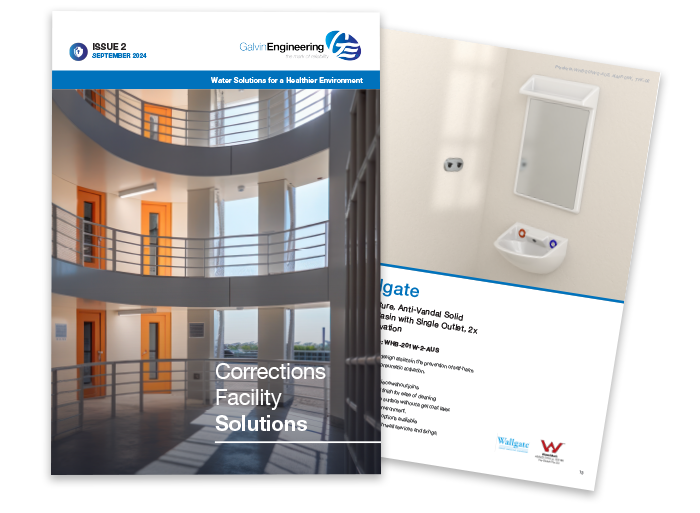
Fixture design differs between minimum and maximum-security facilities primarily in the level of security, durability, and risk mitigation required.
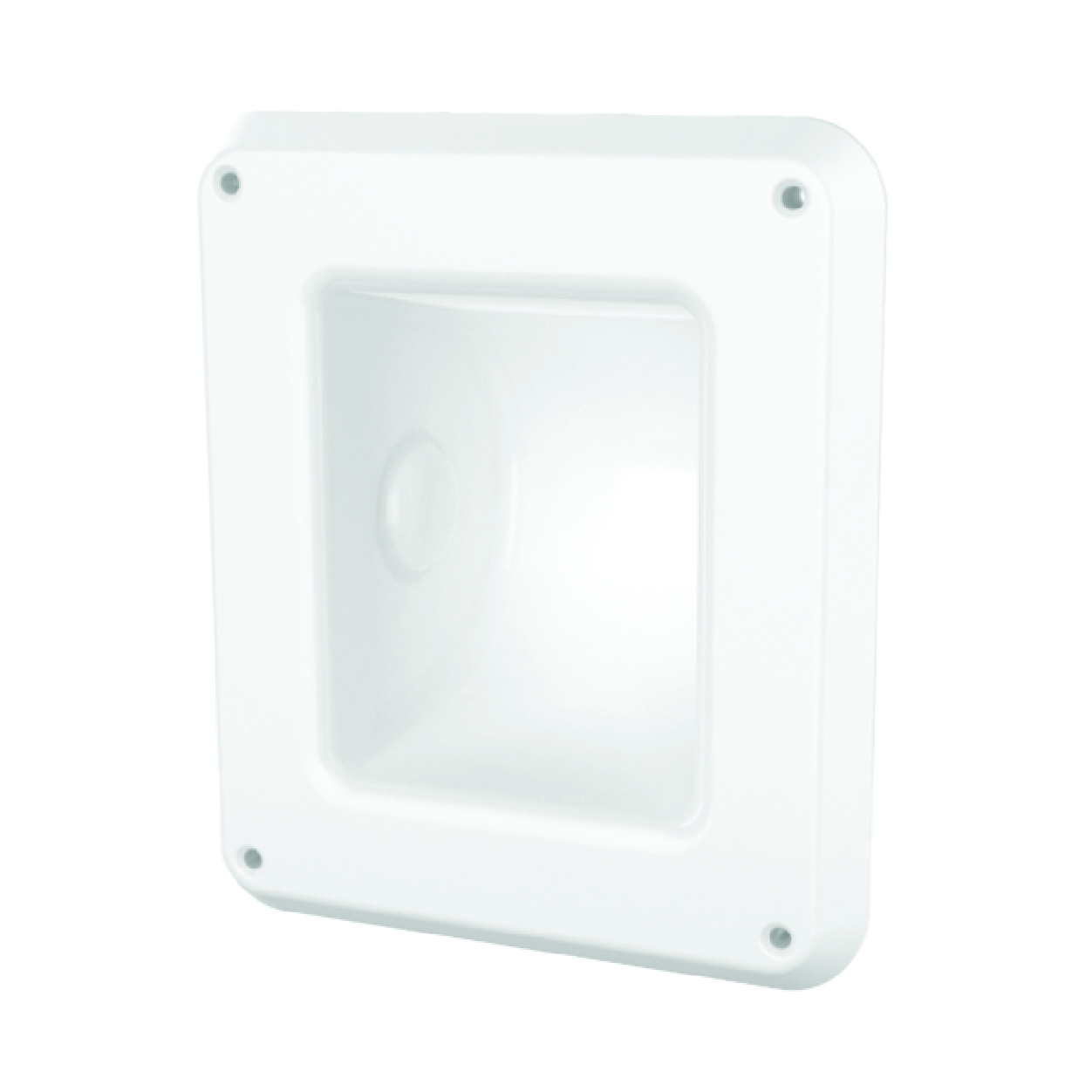
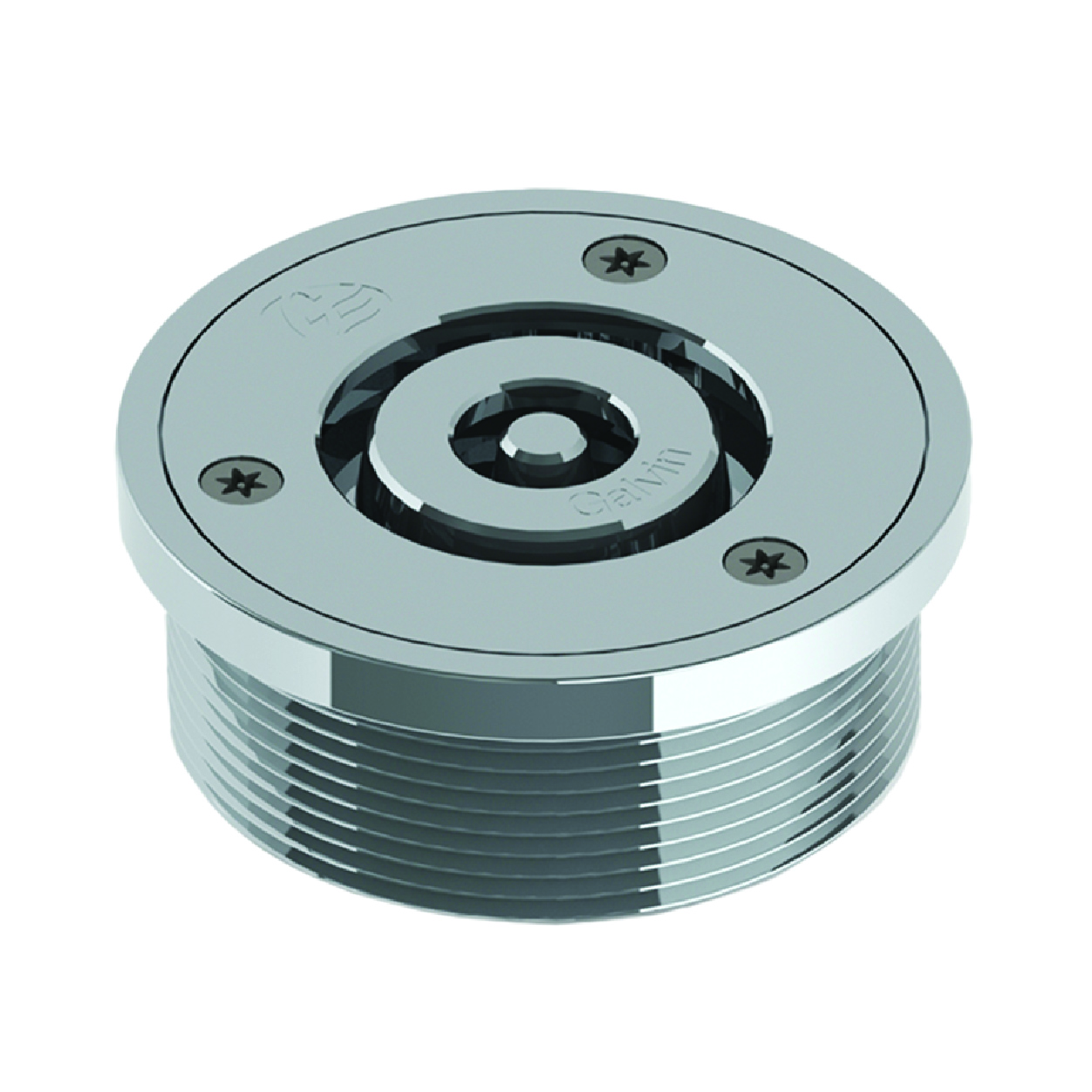
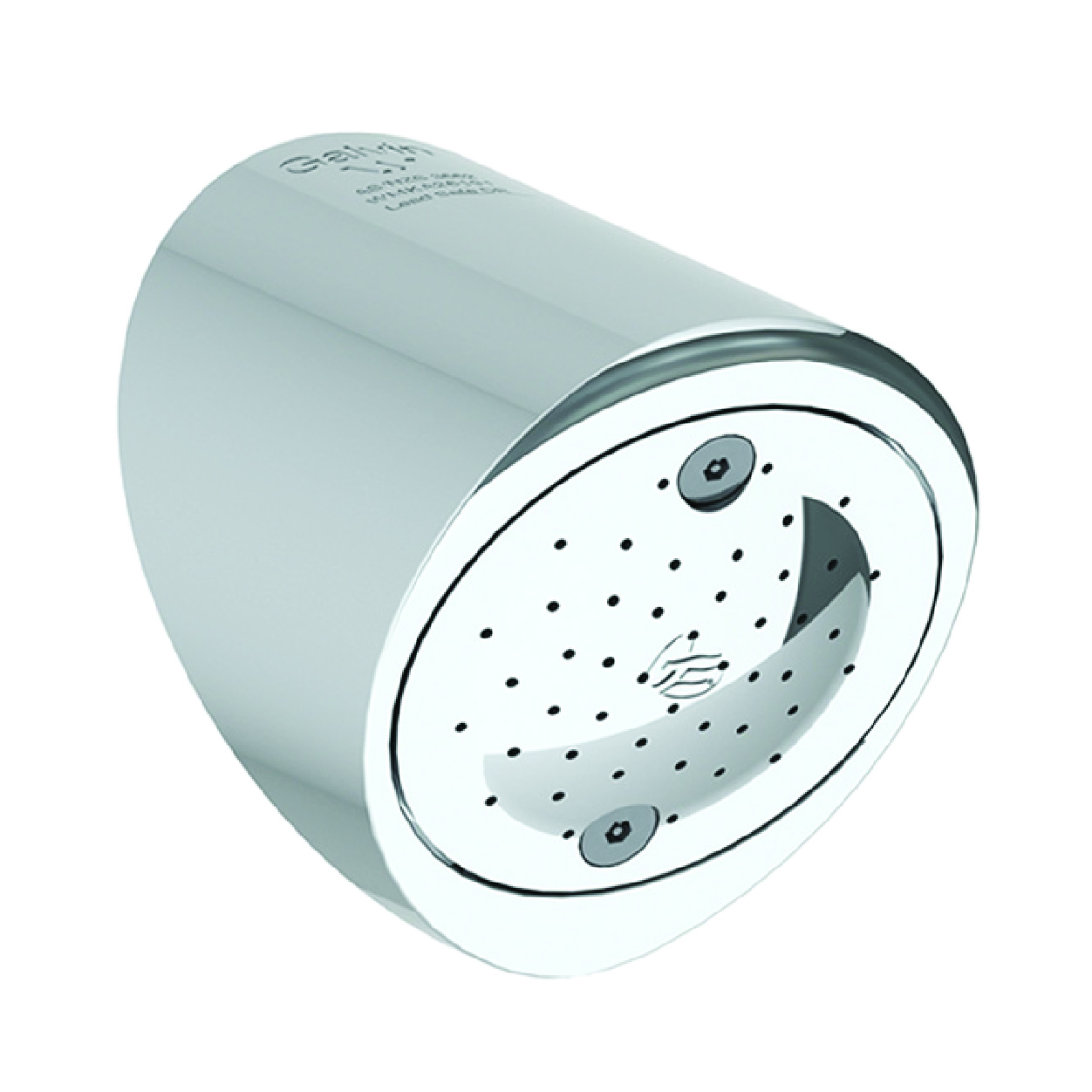
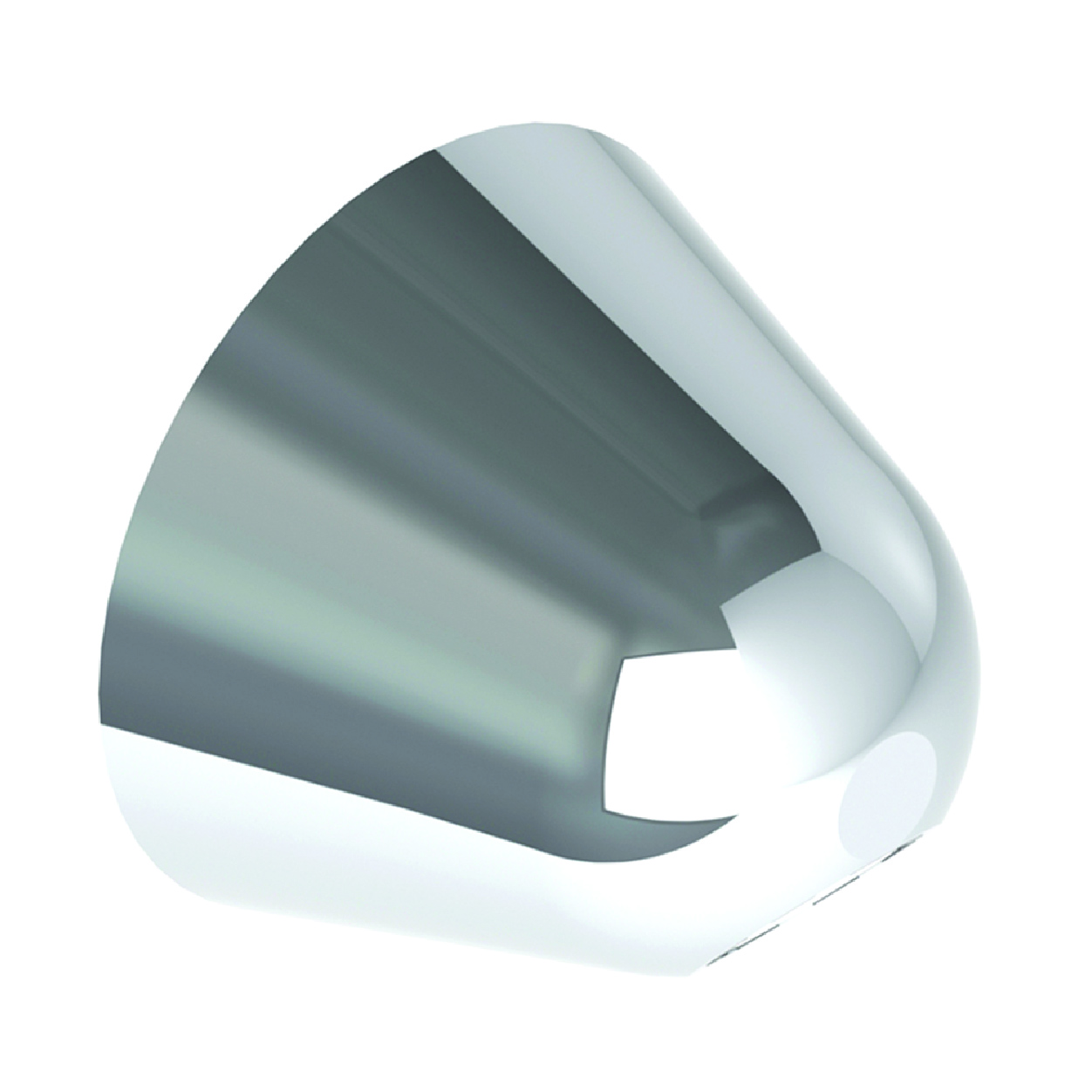
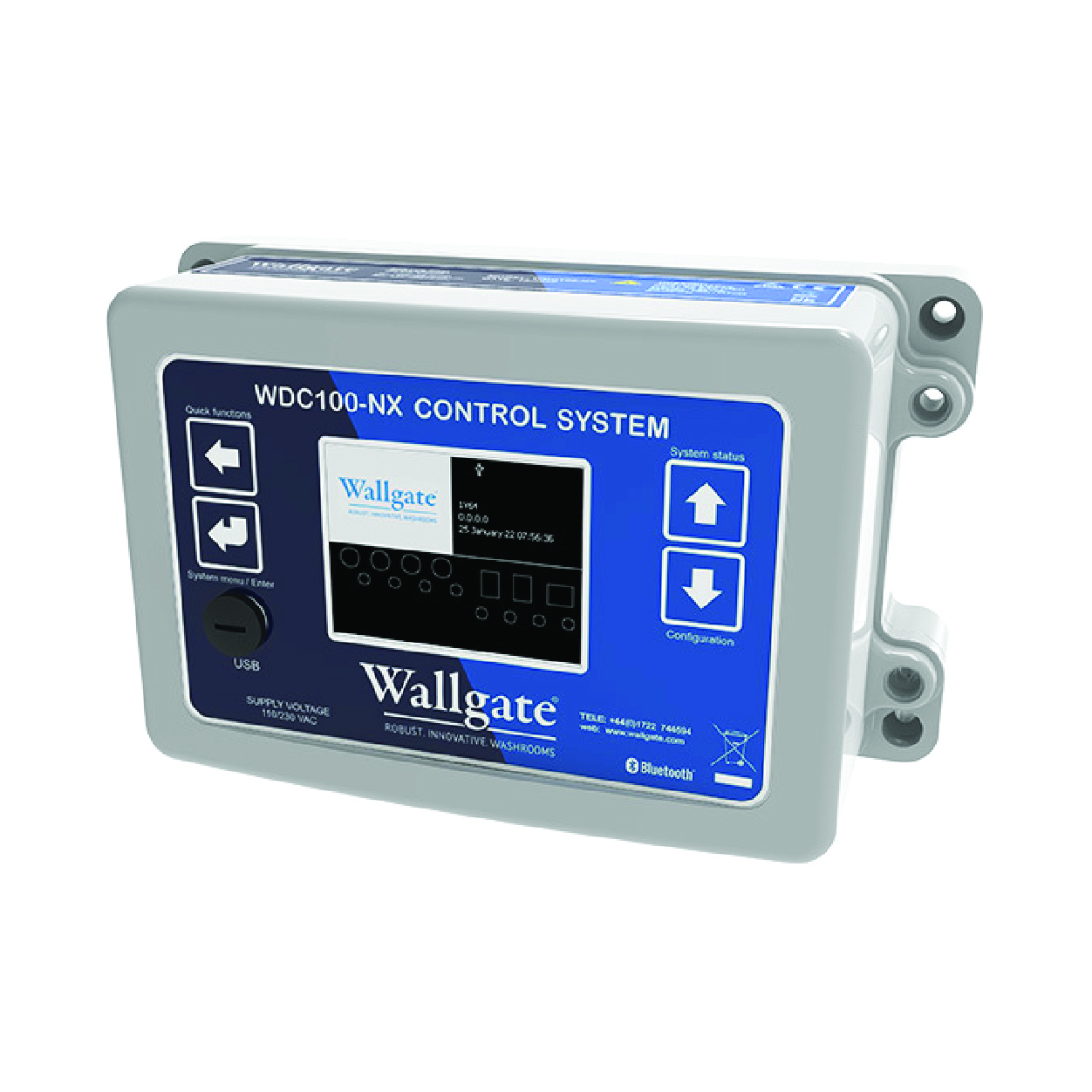
In maximum-security facilities, fixtures must be extremely robust and designed to eliminate any potential safety or security risks. This includes fully enclosed, ligature resistant designs, tamper-proof fastenings, and minimal exposed components to prevent self-harm, vandalism, or concealment of contraband. Materials are typically heavy-duty stainless steel or reinforced composites, and features like metered water controls and secure access panels are standard.
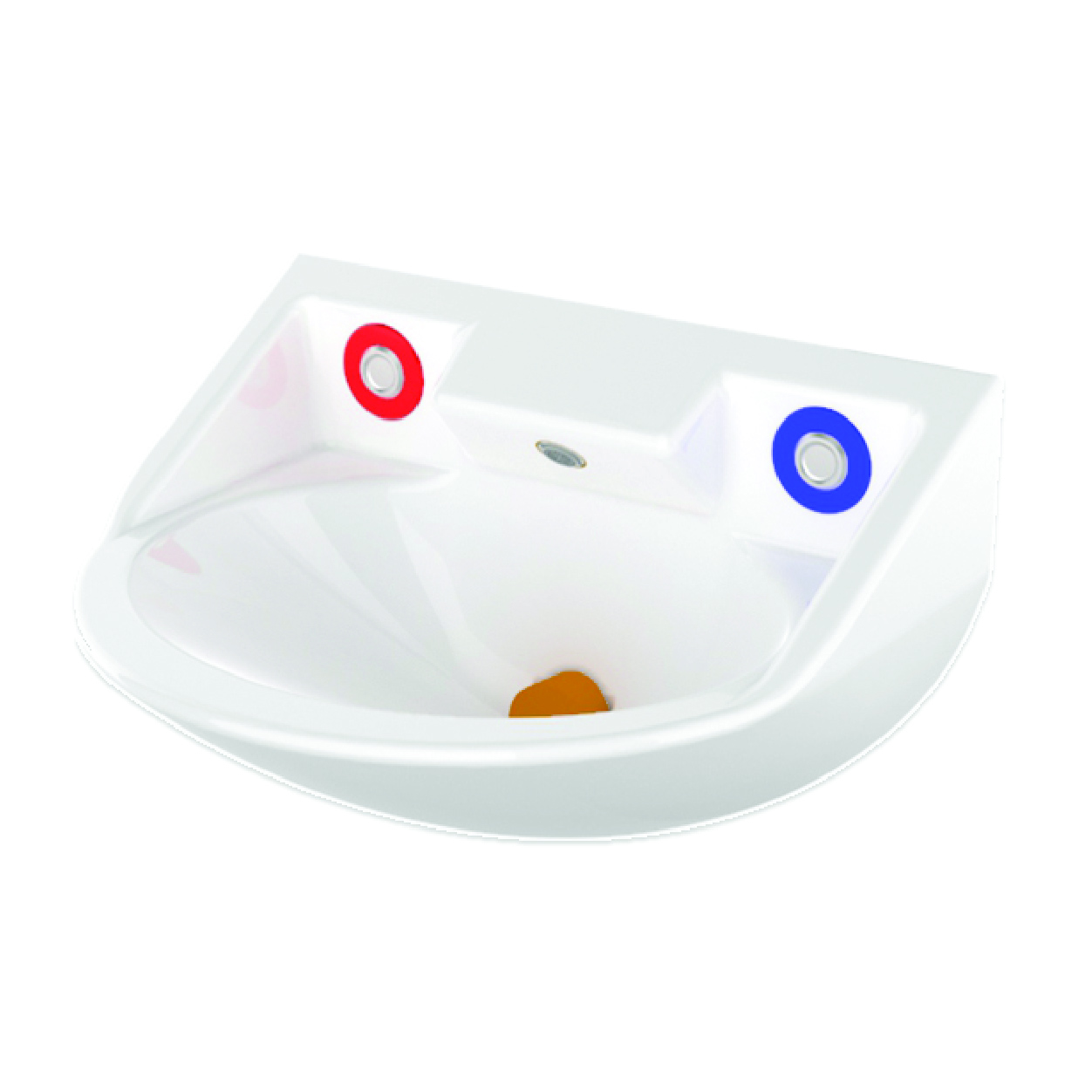
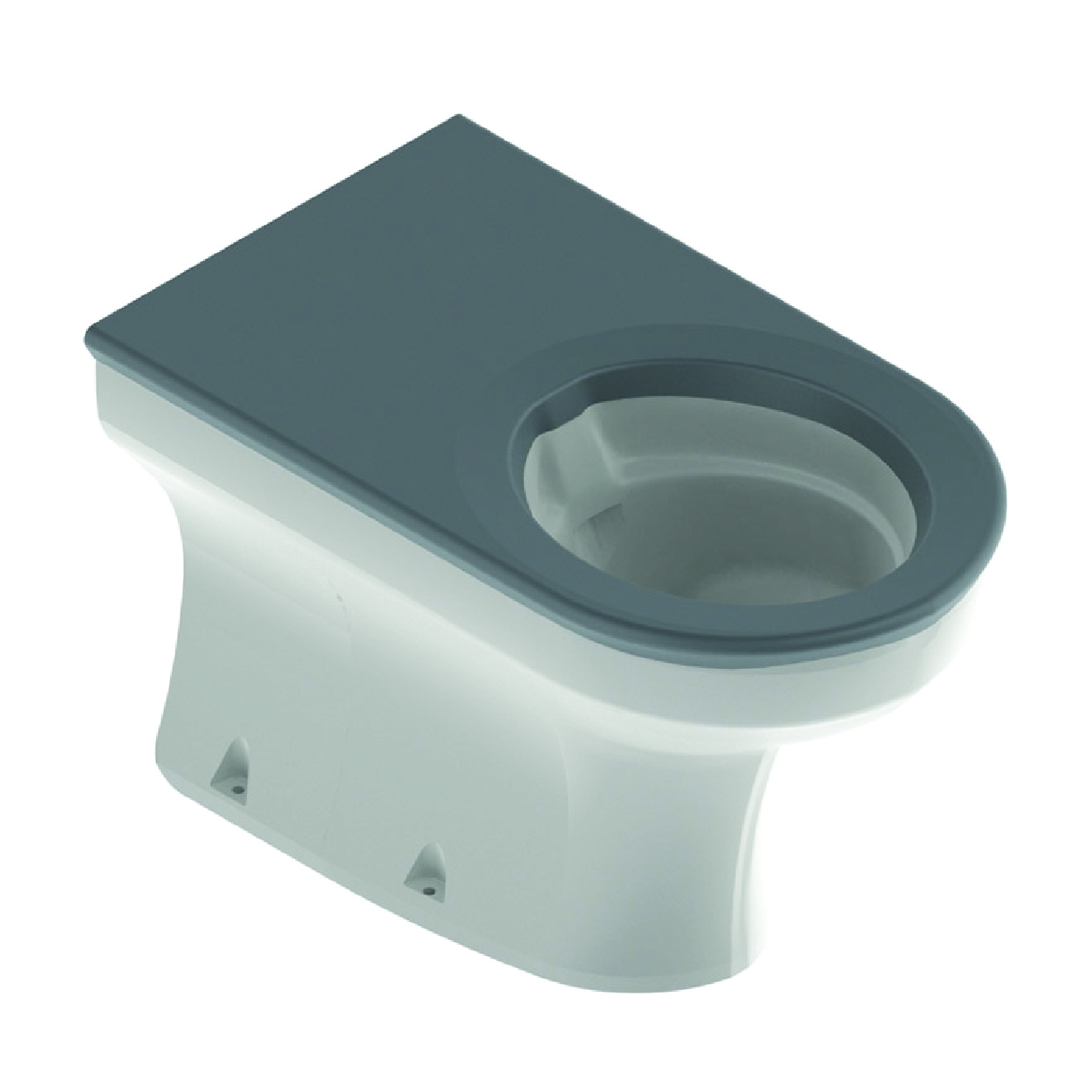
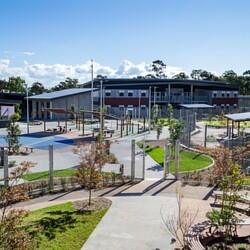
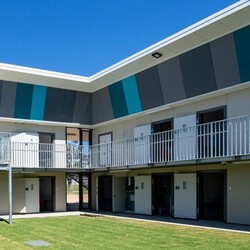
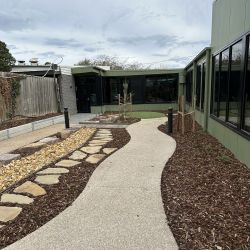
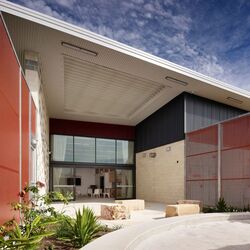
In contrast, minimum-security facilities may allow for fixtures with a more residential or commercial appearance, using materials like vitreous china or plastic composites. While safety and durability are still important, the risk level is lower, so fixtures may have more visible fittings and a greater focus on user comfort and normalisation, rather than maximum security.
Overall, the level of risk in the facility dictates how strict the fixture design needs to be in terms of tamper resistance, ligature prevention, and material strength.