The five major trends influencing commercial plumbing design are sustainability, lead-free compliance, smart plumbing technologies, accessibility-focused design and whole-of-life asset management. These trends are helping organisations improve building performance, reduce operating costs and create safer, more inclusive environments.
Commercial plumbing has evolved far beyond simply delivering water where it's needed. Today's systems are expected to conserve resources, enhance hygiene, improve accessibility, reduce maintenance costs and support increasingly complex building requirements.
As regulations tighten and user expectations continue to rise, plumbing products play a more significant role than ever in the performance, sustainability and longevity of commercial buildings.
Whether you're specifying products for healthcare, education, aged care, public amenities or commercial developments, these are five key trends shaping commercial plumbing design in 2026 and beyond.
1. Sustainability Is Driving Every Specification Decision
Sustainability has become a fundamental consideration across the built environment, influencing decisions at every stage of a project, from design and specification through to operation and maintenance.
While water efficiency remains an important priority, today's projects are taking a much broader view of environmental performance. Specifiers are increasingly looking beyond individual product ratings to consider the overall lifecycle impact of the products they choose.
- Water-efficient performance without compromising usability
- Reduced energy consumption where applicable
- Durable materials that minimise replacement and waste
- High-quality products designed for long service life
- Components that can be serviced rather than replaced
By focusing on longevity and performance alongside efficiency, building owners can reduce resource consumption over the entire life of an asset while lowering ongoing operating costs.
As environmental targets continue to evolve, sustainable plumbing design is no longer viewed as an optional extra, it has become a core part of responsible building specification.
2. Lead-Free Products Are Becoming the New Standard
Australia's transition to lead free plumbing products represents one of the most significant regulatory changes the industry has seen in recent years. With lead free requirements now being implemented across, designers and contractors must ensure products are compliant wherever potable water is supplied for human consumption. However, specifying lead free products is about more than simply meeting compliance obligations. It also supports improved drinking water quality while helping projects remain aligned with evolving industry standards.
When selecting products, it's important to understand:
- Where lead free requirements apply
- The role of Lead Free WaterMark certification
- Which product categories are affected
- How compliant products can help future-proof new developments
As lead-free products become standard practice, early consideration during specification helps minimise project risk while supporting healthier, safer water delivery systems.
3. Smart Plumbing Technologies Are Improving Efficiency
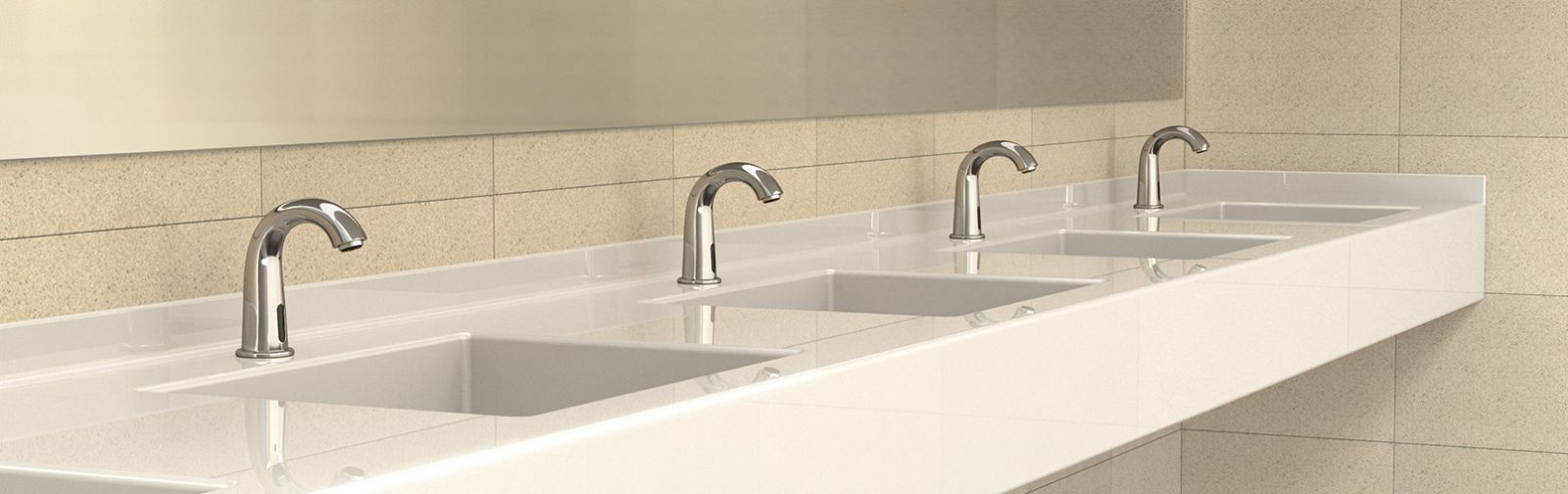
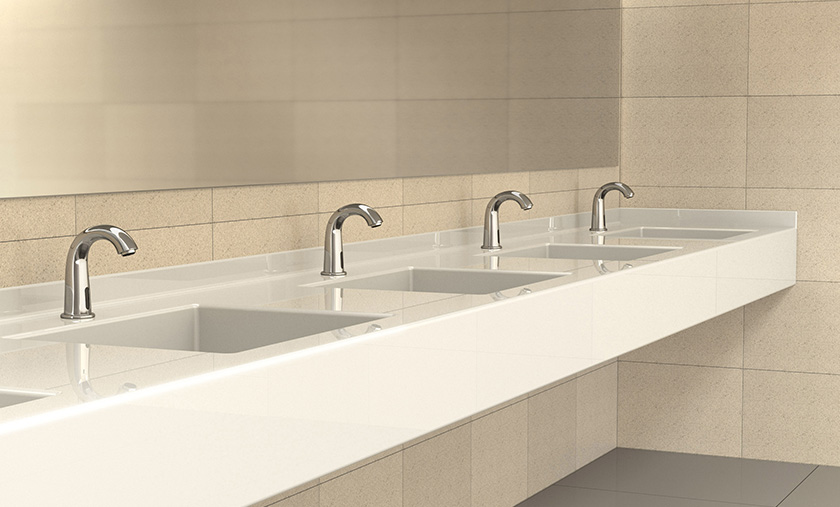
Technology is transforming commercial plumbing by making fixtures more responsive, efficient and easier to manage. Electronic and sensor-operated products are increasingly being specified across healthcare facilities, education campuses, public buildings and other high-use environments where hygiene, water conservation and operational efficiency are critical.
Examples include:
- Sensor-operated tapware
- Timed flow controls
- Electronic water controllers
- Automated flushing systems
- Water monitoring and management technologies
These solutions provide a range of practical benefits, including:
- Improved hygiene through reduced touchpoints
- Lower water consumption
- Reduced maintenance requirements
- Consistent product performance
- Enhanced user experience
Rather than replacing traditional plumbing systems, smart technologies complement them by improving reliability, reducing waste and providing facility managers with greater control over water usage.
As buildings become increasingly connected, intelligent plumbing products will continue to play a growing role in creating more efficient, sustainable facilities.
4. Accessibility Is Becoming an Expectation, Not an Afterthought
Accessible design has shifted from being viewed purely as a compliance requirement to becoming an essential part of creating inclusive, user-centred environments. Modern commercial buildings are expected to accommodate people of all ages, abilities and levels of mobility, ensuring facilities are safe, comfortable and easy to use for everyone.
Good plumbing design considers factors such as:
- Easy-to-operate lever handles
- Appropriate reach ranges
- Clearances around fixtures
- Intuitive operation
- Products that promote user independence
These design principles not only support compliance with accessibility standards but also improve usability for parents with young children, older Australians, people with temporary injuries and many other users.
This universal approach to design delivers better outcomes for everyone while creating public spaces that are welcoming, functional and future-ready.
5. Whole-of-Life Thinking Is Replacing Lowest-Cost Procurement
Perhaps the biggest shift in commercial plumbing specification is how products are being evaluated. Historically, procurement decisions often focused on the lowest upfront purchase price. Today, more organisations are recognising that the cheapest product isn't always the most cost-effective over the life of a building.
Instead, decision-makers are asking a different question: Which product will deliver the greatest long-term value?
Whole-of-life thinking considers factors including:
- Product durability
- Maintenance requirements
- Water efficiency
- Ease of servicing
- Availability of spare parts
- Replacement frequency
- Operational costs over time
A product that lasts longer, requires fewer repairs and can be easily maintained may deliver significantly lower lifetime costs, even if its initial purchase price is higher.
For facility managers and asset owners responsible for maintaining buildings over decades, this approach can reduce downtime, minimise disruption and improve return on investment.
As budgets increasingly focus on operational efficiency rather than upfront expenditure alone, whole-of-life value is becoming a key driver of specification decisions.
Looking Ahead
Commercial plumbing continues to evolve alongside changing regulations, advancing technology and higher expectations for building performance.
While sustainability, lead-free compliance, smart technologies, accessibility and whole-of-life thinking each offer distinct benefits, together they reflect a broader shift towards more resilient, efficient and user-focused building design.
By understanding these trends early, architects, hydraulic consultants, specifiers and facility managers can make informed decisions that deliver lasting value—not only for building owners, but also for the people who use and maintain these spaces every day.
Planning Your Next Project?
Galvin Engineering has been designing and manufacturing commercial plumbing solutions for over 90 years, supporting projects across healthcare, education, aged care, public spaces and commercial buildings.
Explore our range of solutions designed to meet the evolving demands of modern building design, from lead-free compliance and water efficiency to accessibility, durability and long-term performance.
Frequently Asked Questions
Sustainable plumbing design helps reduce water and energy consumption while supporting long-term operational efficiency. Modern specifications increasingly consider product durability, serviceability and lifecycle performance alongside water efficiency to minimise waste and reduce total resource use over the life of a building.
Lead-free plumbing products are designed to meet Australian requirements for materials used in contact with drinking water. These products help improve drinking water quality, support regulatory compliance and assist building owners in meeting current and future potable water standards.
Lead-free requirements generally apply to plumbing products used to supply potable water for human consumption. Designers, contractors and specifiers should ensure products meet the relevant compliance requirements and certifications for their intended application.
Smart plumbing technologies include sensor-operated tapware, timed flow controls, electronic water controllers, automated flushing systems and water monitoring solutions. These technologies help improve hygiene, conserve water and simplify facility management.
Sensor-operated tapware reduces physical touchpoints, helping improve hygiene in high-use environments such as healthcare facilities, schools and public amenities. They can also reduce water consumption and support more consistent fixture performance.
Accessible plumbing design helps ensure facilities can be used safely and comfortably by people of different ages, abilities and mobility levels. Features such as lever handles, appropriate reach ranges and intuitive controls can improve usability while supporting compliance with accessibility requirements.
Whole-of-life thinking evaluates products based on their long-term value rather than their initial purchase price alone. Factors such as durability, maintenance requirements, spare parts availability, servicing costs and product lifespan are considered when selecting plumbing products.
High-quality plumbing products can reduce maintenance requirements, minimise downtime, improve water efficiency and extend asset life. This can result in lower operating costs and a better return on investment over the lifetime of a building.
Architects and specifiers should consider sustainability targets, lead-free compliance, accessibility needs, smart technologies and long-term maintenance requirements during the design phase. Early planning can help future-proof projects and support better performance throughout the building lifecycle.