
Water efficiency is an increasingly important consideration in commercial and public facilities. In high-traffic environments, where taps and showers are used repeatedly throughout the day, even small improvements in water management can make a meaningful difference to overall consumption and operating costs.
Timed and sensor tapware offer practical solutions by controlling when water flows and how long it runs. By incorporating automatic shut-off functionality, these technologies help minimise unnecessary water use while supporting hygiene, accessibility and ease of operation.
From schools and sporting facilities to healthcare environments and public amenities, understanding the differences between timed and sensor tapware can help facility managers, designers and specifiers select the most appropriate solution for their application.
How Does Timed Tapware Work?
Timed tapware uses a push-button or similar mechanism to activate water flow for a predetermined period before automatically shutting off.
Unlike conventional taps, which rely on users to manually turn the water off, timed tapware incorporates a built-in shut-off mechanism to help prevent water from being left running.
Depending on the product, the flow duration may be fixed or adjustable, allowing facilities to select an operating time suited to the application.
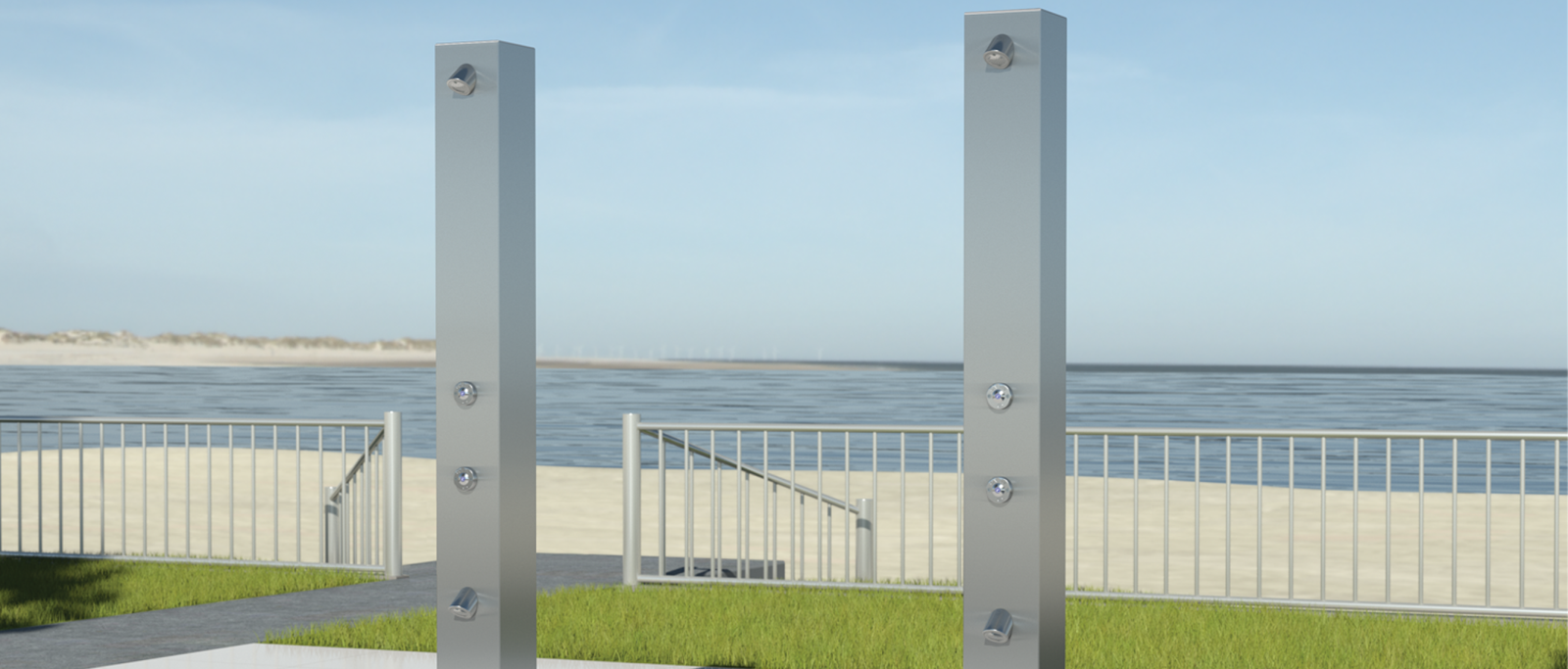
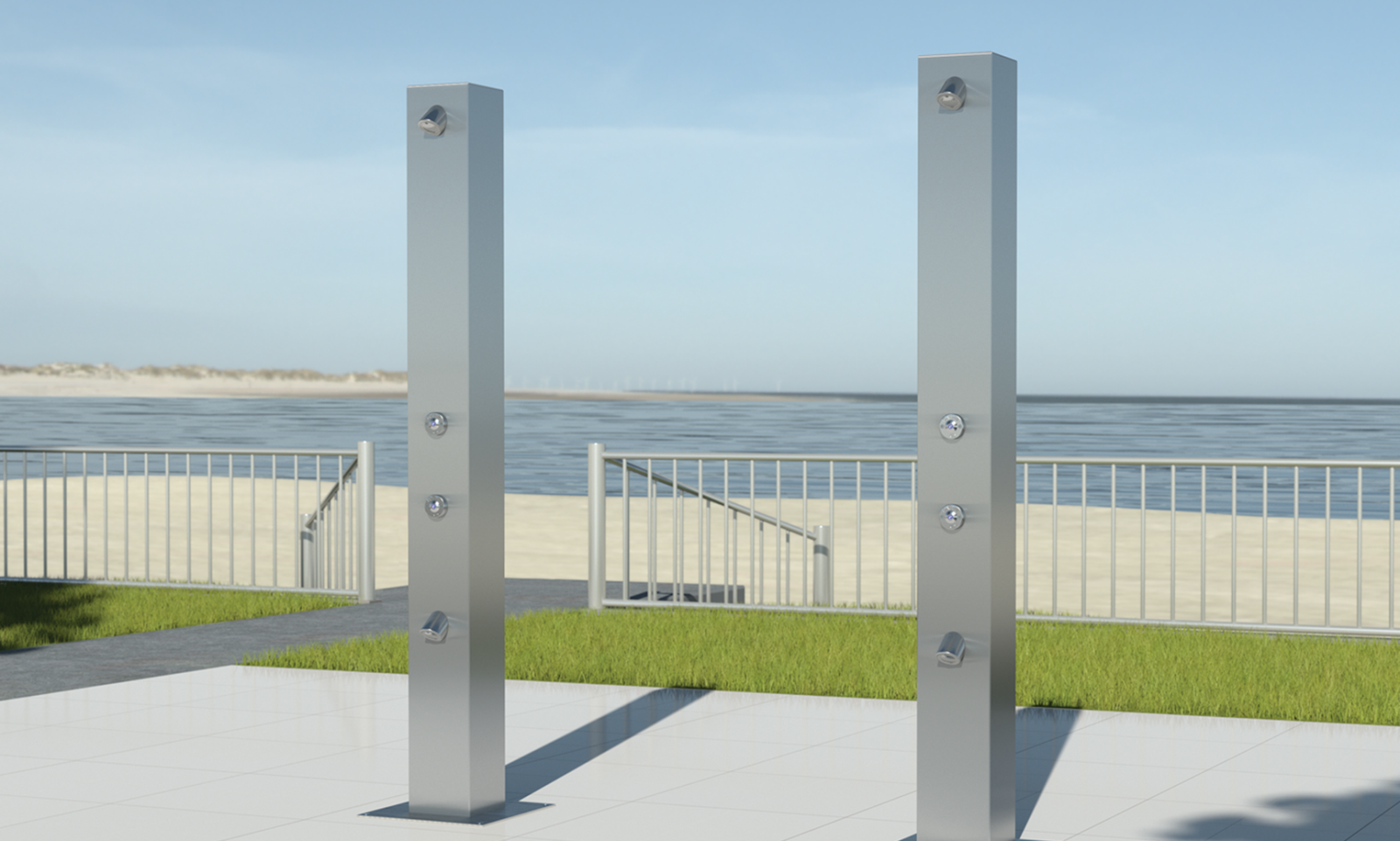
Timed operation is particularly effective in shared environments where fixtures experience frequent use. Common applications include public washrooms, schools, sporting facilities, change rooms and communal showers.
How Does Sensor Tapware Work?
Sensor tapware uses electronic sensing technology, typically infrared, to detect a user's presence and activate water flow automatically.
When a user places their hands within the sensor's detection range, water begins to flow. Once their hands are removed, the tap automatically shuts off, subject to the product's programmed settings.
This touch-free operation eliminates the need to manually operate handles or buttons, making sensor tapware particularly beneficial in environments where hygiene and convenience are priorities.
Many sensor-operated products also incorporate features such as adjustable detection ranges, automatic shut-off limits and programmable settings to suit different installation requirements.
Sensor tapware is commonly specified for healthcare facilities, aged care environments, commercial washrooms, airports and other high-use public spaces.
Key Benefits of Timed and Sensor Tapware
- Reduced Water Consumption
One of the most significant advantages of timed and sensor tapware is the ability to minimise unnecessary water use. Timed tapware delivers water for a controlled duration, while sensor tapware activates flow only when a user is detected. Both technologies incorporate automatic shut-off functionality, helping prevent water from continuing to run after use.
In busy facilities with multiple fixtures, reducing unnecessary flow can contribute to substantial water savings over time. When combined with appropriately selected flow rates and water-efficient outlets, timed and sensor technologies can form part of a broader water management strategy.
- Improved Hygiene and Reduced Touchpoints
In shared amenities, frequently touched surfaces can contribute to the transfer of contaminants between users. Sensor tapware helps address this by allowing users to activate and stop water flow without touching the fixture.
This is particularly valuable in healthcare, aged care, food preparation areas and other hygiene-sensitive environments, where reducing unnecessary contact with shared surfaces can support infection prevention practices. While touch-free operation does not replace appropriate cleaning and hand hygiene procedures, it provides an additional benefit when designing facilities with hygiene in mind.
- Greater Control in High-Use Environments
Managing water consumption in busy public and commercial facilities can be challenging, particularly where users may be unfamiliar with the fixtures or less conscious of water efficiency.
Timed and sensor tapware reduce reliance on individual user behaviour by incorporating automatic shut-off into everyday operation. For facility managers, this provides a more consistent approach to managing water flow across frequently used amenities. Timed controls can be particularly useful in communal showers and change rooms, while sensor-operated taps offer convenient operation in busy handwashing areas.
- Potential Long-Term Operational Savings
Reducing unnecessary water consumption can also help lower the ongoing operating costs of a facility. Where heated water is used, limiting unnecessary flow may reduce both water consumption and the energy required for water heating.
Automatic shut-off can also help minimise the risk of taps being left running, particularly in unattended or heavily used amenities. Over the life of a building, these efficiencies may contribute to lower utility costs and support broader sustainability objectives. Actual savings will depend on factors such as usage patterns, flow rates, operating settings and the efficiency of the fixtures being replaced.
When to Choose Timed Tapware
Timed tapware is well suited to applications where simplicity, durability and controlled water delivery are key considerations.
Its push-button operation provides users with a clear, physical control, while automatic shut-off helps prevent unnecessary water use.
Mechanical timed tapware can also offer the advantage of operating without an electrical power supply, making it a practical option for facilities seeking straightforward installation and maintenance.
Common applications include:
- Schools and educational facilities
- Sporting clubs and recreation centres
- Public washrooms and amenities
- Communal showers and change rooms
- High-traffic commercial facilities
When to Choose Sensor Tapware
Sensor tapware is particularly beneficial where touch-free operation, hygiene and user convenience are priorities.
By activating water automatically, it provides an intuitive handwashing experience while reducing contact with shared surfaces.
Depending on the model, sensor tapware may be battery-powered or connected to a mains electrical supply, with some products offering additional programmable functionality.
Common applications include:
- Hospitals and healthcare facilities
- Aged care environments
- Airports and transport facilities
- Commercial and public washrooms
- Food preparation and hygiene-sensitive areas