Specialist Disability Accommodation (SDA) is housing funded under the National Disability Insurance Scheme (NDIS) for people with very high or complex support needs. These homes are designed to improve accessibility, safety, independence, and quality of life.
The National Disability Insurance Scheme (NDIS) is an Australian government initiative aimed at providing comprehensive support and services to people with disabilities. The primary goal of the NDIS is to empower individuals with disabilities to lead more independent lives and participate fully in their communities.
A key component of the NDIS is Specialist Disability Accommodation (SDA), which provides tailored housing solutions for individuals with very high or complex support needs. These specialised accommodations are essential for enhancing the independence and quality of life for people with significant disabilities, ensuring they have access to safe, comfortable, and supportive living environments.
SDA Design Standards and the National Construction Code (NCC)
All SDA housing must comply with the NDIS SDA Design Standard, which outlines specific requirements for accessibility, safety, and functionality. Additionally, all new SDA dwellings must adhere to the National Construction Code (NCC), which sets minimum construction requirements for buildings in Australia. In cases where there is a conflict between the NCC and the SDA Design Standard, the NCC takes precedence.
SDA Housing Design Categories
SDA housing falls under four distinct design categories, each catering to different levels of support needs:
- Improved Livability
Housing that has been designed to improve ‘Livability’ by incorporating a reasonable level of physical access and enhanced provision for people with sensory, intellectual or cognitive impairment. - Fully Accessible
Housing that has been designed to incorporate a high level of physical access provision for people with significant physical impairment or high support needs. - Robust
Housing that has been designed to incorporate a reasonable level of physical access provision and be very resilient, reducing the likelihood of reactive maintenance and reducing the risk to the both the residents and the community. - High Physical Support
Housing that has been designed to incorporate a high level of physical access provision for people with significant physical impairment and require very high levels of support.
Tapware Solutions for SDA Housing
Tapware in SDA housing must prioritise accessibility, safety, and durability. Key features include:
- Ligature-Resistant Tapware: These taps are designed to prevent self-harm and are often used in environments where safety is a priority. They feature smooth, rounded designs without sharp edges, reducing the risk of injury.
- Vandal-Resistant Tapware: Built to withstand heavy use and potential abuse, these fixtures are robust and durable, making them ideal for high-risk environments. They ensure longevity and reduce the need for frequent replacements.
- Thermostatic Mixing Valves (TMVs): These valves ensure that water temperature remains consistent, preventing scalding and providing a safer experience for users. They are crucial for maintaining a safe and comfortable environment.
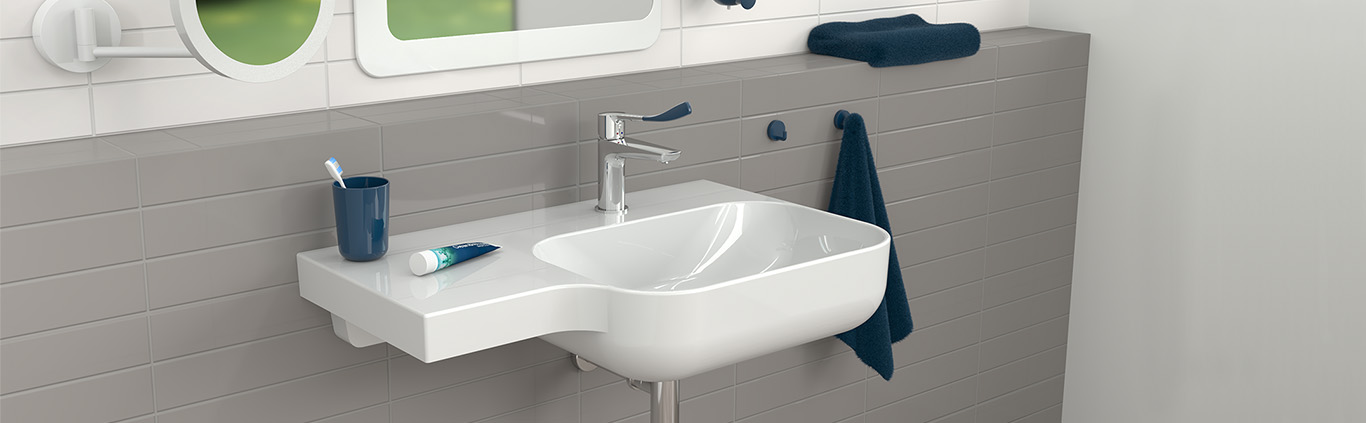
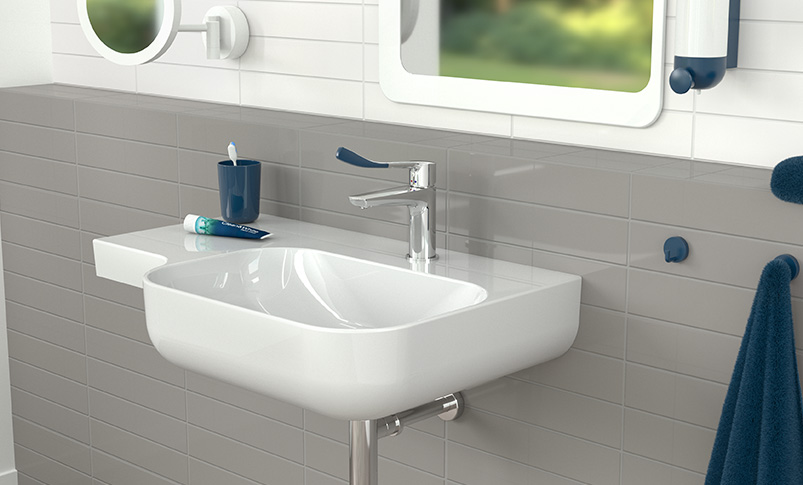
- Lever-Operated Tapware: These taps are easier to operate for individuals with limited hand strength or dexterity. They often feature long levers that require minimal effort to use, enhancing accessibility for all users.
- Sensor-Activated Tapware: Touchless taps reduce the risk of cross-contamination and are easier to use for individuals with mobility impairments. They promote hygiene and convenience, making daily tasks simpler and safer.
Sanitaryware Solutions for SDA Housing
Sanitaryware in SDA housing must also focus on accessibility, safety, and durability. Important features include:
- Ligature- and Vandal-Resistant Fixtures: These fixtures, including toilets, basins, and tapware, are designed to prevent self-harm and withstand heavy use. They are robust and secure, ensuring safety and longevity.
- Accessible Basins and Toilets: These are designed to be easily used by individuals with mobility impairments. Features often include adjustable heights, easy-to-reach controls, and support rails, making them user-friendly and accessible.
- Thermostatically Controlled Showers: These showers help prevent scalding by maintaining a safe water temperature. They are crucial for ensuring the safety of residents, providing a comfortable and secure bathing experience.
- Grab Rails and Support Bars: These are essential for providing stability and support, helping residents move safely within the bathroom. They are strategically placed to assist with mobility and prevent falls.
- Non-Slip Flooring and Drainage Solutions: Ensuring the bathroom floor is non-slip and has effective drainage helps prevent accidents and maintain hygiene. These features are vital for creating a safe and clean environment.
Design Considerations for SDA Bathrooms
Bathrooms in SDA housing must meet specific design considerations to ensure they are accessible, safe, and adaptable:
- Accessibility: Bathrooms must be fully accessible, which includes features such as widened doorways, level access showers, and sufficient space for maneuvering wheelchairs. These modifications ensure that all residents can use the bathroom independently and comfortably.
- Safety: Safety features such as grab rails, non-slip flooring, and emergency call systems are essential to prevent accidents and provide immediate assistance if needed. These features create a secure environment for residents.
- Adaptability: The design should allow for future modifications. This includes adjustable-height fixtures and fittings, and the ability to install additional support equipment as required. This flexibility ensures that the bathroom can adapt to the changing needs of residents.
- Ease of Use: Fixtures and fittings should be easy to use for individuals with limited dexterity. This includes lever-style taps, easy-to-reach storage, and clear, simple controls. These features make daily tasks more manageable for residents.
- Privacy and Dignity: Ensuring privacy and dignity is crucial. This can be achieved through thoughtful layout design, such as positioning the toilet and shower to allow for privacy screens or curtains. These considerations help maintain the residents' sense of dignity and respect.
Tapware and sanitaryware products play a crucial role in supporting the goals of NDIS Specialist Disability Accommodation (SDA) housing. By enhancing accessibility, safety, and independence, these products contribute to creating a comfortable and supportive living environment for individuals with disabilities. Ensuring compliance with Australian Standards and NDIS requirements, these solutions provide a safe, durable, and user-friendly experience for all residents.
Frequently Asked Questions
SDA bathrooms must comply with both the NDIS SDA Design Standard and the National Construction Code (NCC). The SDA Standard outlines performance and accessibility requirements, while the NCC sets minimum building regulations, taking precedence where conflicts arise.
The SDA Design Standard includes four categories:
- Improved Livability
- Fully Accessible
- Robust
- High Physical Support
Each category reflects different levels of accessibility, durability, and support needs for residents.
SDA bathrooms must be:
- Accessible (e.g. step-free showers, wide circulation space)
- Safe (e.g. grab rails, non-slip flooring)
- Durable (e.g. vandal-resistant fixtures)
- Adaptable (for future modifications)
These requirements ensure long-term usability and safety for residents with varying needs.
Accessibility enables residents to use the bathroom independently and safely. Features such as widened doorways, level-access showers, and easy-to-use fixtures support mobility and reduce reliance on carers.
Key safety features include:
- Grab rails and support bars
- Non-slip flooring
- Thermostatic temperature control
- Emergency call systems
These features help prevent falls, injuries, and scalding while ensuring assistance is available when needed.
Ligature-resistant tapware is designed to minimise the risk of self-harm by eliminating points where cords or materials can be attached. These fixtures feature smooth, rounded forms and are essential in high-risk or supported living environments.
Vandal-resistant fixtures are built to withstand heavy use and misuse, reducing maintenance and ensuring long-term reliability. This is particularly important in robust or high-support environments where durability is critical.
Thermostatic mixing valves regulate water temperature to prevent scalding and maintain consistent output. They are essential in SDA bathrooms where users may have reduced sensitivity or slower reaction times.
Recommended tapware features include:
- Lever-operated controls for ease of use
- Sensor-activated (touchless) operation
- Ligature-resistant design
- Durable, vandal-resistant construction
These features enhance accessibility, hygiene, and safety.
SDA sanitaryware should include:
- Accessible basins and toilets
- Grab rails and support systems
- Thermostatically controlled showers
- Non-slip flooring and effective drainage
These features support safe and independent daily use.
By combining accessible layouts, easy-to-use fixtures, and safety features, SDA bathrooms enable residents to perform daily tasks with minimal assistance, improving dignity and quality of life.
SDA bathrooms must accommodate changing needs over time. Adjustable fixtures and flexible layouts allow for future modifications, ensuring the space remains functional as resident requirements evolve.
Privacy and dignity are supported through thoughtful layout design, such as positioning fixtures appropriately and allowing for screens or separation where needed. This ensures users feel comfortable and respected.
Compliant tapware and sanitaryware improve safety, accessibility, and durability while meeting Australian Standards and NDIS requirements. They play a critical role in delivering functional, safe, and long-lasting SDA bathrooms.