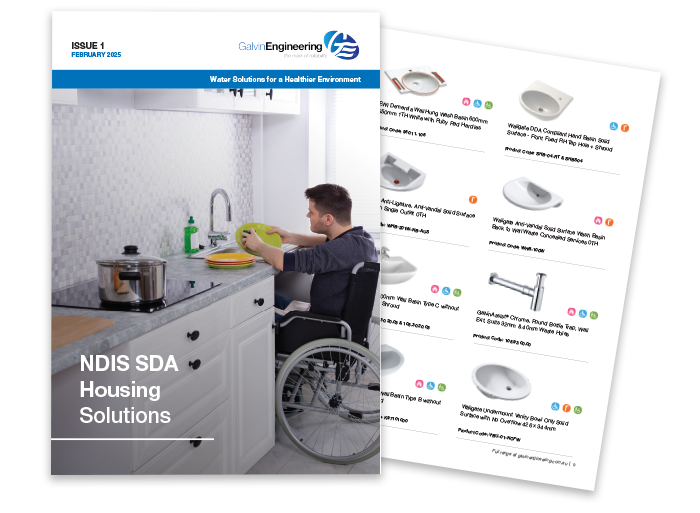
NDIS SDA Housing Solutions

Australia’s most comprehensive range of ligature-resistant, vandal-resistant and accessible tapware, sanitaryware, and fixtures engineered for NDIS Specialist Disability Accommodation and robust housing to support safety, independence and dignity.

Normalisation, Ligature- & Vandal-Resistant 

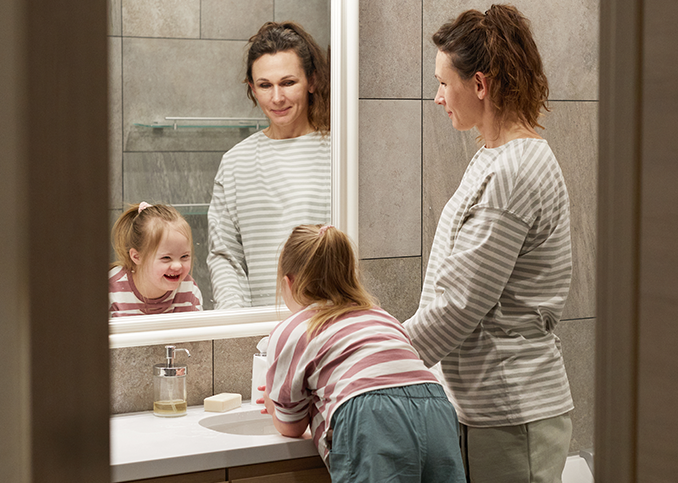
Our range includes solutions that balance clinical safety with a homelike aesthetic — reducing institutional feel while enhancing comfort and wellbeing. Designed for ligature resistant environments and durable use, these products help create spaces that feel welcoming and secure.

Safe, Independent Living Features

Galvin's SDA products support safe daily living through easy-to-operate tapware, sanitaryware, and fixtures designed for people with limited dexterity, mobility challenges, sensory needs or complex care requirements. Features such as thermostatic mixing valves and sensor-activated controls increase independence and reduce caregiver strain.

Full Room Accessibility Solutions  

We offer complete bathroom and wet-area solutions for SDA housing, including ligature- and vandal-resistant tapware, accessible sanitaryware and grab rails, thermostatic mixing valves, drainage and water management systems, and design support from concept through to commissioning. These solutions support improved livability, fully accessible, robust and high physical support SDA categories while helping meet design and compliance requirements.

Whole-of-Life Value & Durability

We understand that SDA and robust housing environments demand long-lasting solutions. Our tapware, sanitaryware, fixtures and fittings are engineered for durability, low maintenance and cost-effective whole-of-life performance, reducing repair needs and extending service life in high-use settings. 

Quality Assurance & Standards Compliance

All Galvin SDA products are:

  • Designed to meet relevant Australian Standards

  • WaterMark & WELS certified where applicable

  • Manufactured under ISO 9001 & ISO 14001 quality systems

  • TMV3 & WRAS approved where applicable


This means peace of mind for builders, plumbers, designers, SDA providers and users

Design & Project Support

Galvin works closely with architects, builders and SDA providers to support projects from early design through to installation. Our team provides technical guidance, product selection advice and documentation support to help ensure SDA dwellings meet NDIS requirements, Australian Standards and project-specific risk profiles. This collaborative approach helps streamline approvals, reduce design risk and deliver environments that balance safety, accessibility and long-term performance.

NDIS SDA Housing Solutions image

NDIS SDA Housing Solutions

Discover Australia’s largest range of ligature-resistant electronic and mechanical tapware, Wallgate sanitaryware, grab rails, drainage, fixtures, fittings and water management systems, designed to support safety, durability and performance in robust housing environments.

NDIS SDA Standards in Bathroom Design

SDA housing supports people with high or complex needs by creating safe, accessible living spaces. This article outlines key design requirements and shows how the right tapware and sanitaryware can improve safety, independence, and daily comfort.
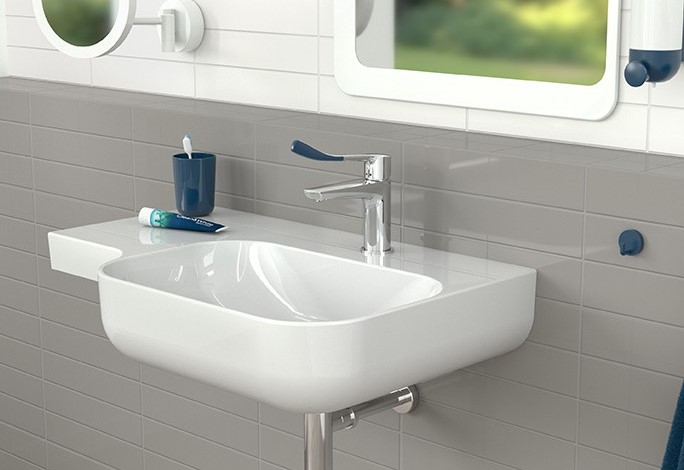
 

Understanding Robust Housing Requirements

Robust Housing bathrooms need to be safe, durable, and accessible. This article highlights key design elements—from resilient fixtures and inclusive layouts to smart technology—that enhance safety, independence, and long-term performance for residents.

See our NDIS SDA Housing Solutions:

Case Studies

Frequently Asked Questions

Specialist Disability Accommodation (SDA) is a housing category funded under the National Disability Insurance Scheme (NDIS) for people with very high or complex support needs. SDA homes are designed with specialised features that improve accessibility, safety, independence and quality of life.

The NDIS is an Australian Government initiative that provides funding and support to people with disability. It helps participants access services, equipment and housing solutions that enable greater independence and participation in everyday life, including SDA where eligibility applies.

The National Construction Code (NCC) sets minimum building and safety requirements for construction in Australia. The NDIS SDA Design Standard provides additional design and performance requirements specific to SDA housing. SDA dwellings must comply with both, with the NCC taking precedence where applicable.

The Specialist Disability Accommodation (SDA) Design Standards consists of four Design Categories that design requirements relate to throughout the standard. For consistency, these four categories have been utilised throughout this brochure to assist with identifying which design categories apply to our products.

Improved Livability
Housing that has been designed to improve ‘Livability’ by incorporating a reasonable level of physical access and enhanced provision for people with sensory, intellectual or cognitive impairment.

Fully Accessible
Housing that has been designed to incorporate a high level of physical access provision for people with significant physical impairment or high support needs.

Robust
Housing that has been designed to incorporate a reasonable level of physical access provision and be very resilient, reducing the likelihood of reactive maintenance and reducing the risk to the both the residents and the community.

High Physical Support
Housing that has been designed to incorporate a high level of physical access provision for people with significant physical impairment and require very high levels of support.

In designing a robust home, attention to tapware and sanitaryware involves prioritising durability, functionality, and water efficiency. The selection of materials, such as stainless steel or brass, emphasises longevity and resistance to corrosion. Water-efficient features, like low-flow technology, are considered to promote sustainability. Additionally, a focus on easy maintenance is maintained, with designs that facilitate straightforward cleaning. Ensuring adaptability and accessibility, such as incorporating lever handles and strategically placed grab bars, caters to diverse user needs.

The cohesive integration of style and aesthetics is important, ensuring that tapware and sanitaryware complement the overall design of the home. Consistency in design and finish throughout the house contributes to a unified and visually pleasing environment. Exploring smart technologies, like touchless faucets and sensor-controlled toilets, adds modern functionality and promotes hygiene.

For NDIS Specialist Disability Accommodation (SDA) housing, tapware needs to be designed with accessibility, safety, and durability in mind. This includes:

  • Anti-Ligature Tapware: These are designed to prevent self-harm and are often used in environments where safety is a priority. They have smooth, rounded designs without sharp edges.
  • Vandal-Resistant Tapware: Built to withstand heavy use and potential abuse, these fixtures are robust and durable, making them ideal for high-risk environments.
  • Thermostatic Mixing Valves (TMVs): These valves ensure that water temperature remains consistent, preventing scalding and providing a safer experience for users.
  • Lever-Operated Tapware: These taps are easier to operate for individuals with limited hand strength or dexterity. They often feature long levers that require minimal effort to use.
  • Sensor-Activated Tapware: Touchless taps reduce the risk of cross-contamination and are easier to use for individuals with mobility impairments.

For NDIS Specialist Disability Accommodation (SDA) housing, sanitaryware needs to be designed with accessibility, safety, and durability in mind. This includes: 

  • Anti-ligature and Vandal-Resistant Fixtures: These are designed to prevent self-harm and withstand heavy use. They include toilets, basins, and tapware that are robust and secure.
  • Accessible Basins and Toilets: These are designed to be easily used by individuals with mobility impairments. Features often include adjustable heights, easy-to-reach controls, and support rails2.
  • Thermostatically Controlled Showers: These showers help prevent scalding by maintaining a safe water temperature. They are crucial for ensuring the safety of residents.
  • Grab Rails and Support Bars: These are essential for providing stability and support, helping residents move safely within the bathroom.
  • Non-Slip Flooring and Drainage Solutions: Ensuring the bathroom floor is non-slip and has effective drainage helps prevent accidents and maintain hygiene.

Yes, there are specific design considerations for bathrooms in NDIS Specialist Disability Accommodation (SDA) housing to ensure they meet the needs of individuals with disabilities. This includes:

  • Accessibility: Bathrooms must be fully accessible, which includes features such as widened doorways, level access showers, and sufficient space for manoeuvring wheelchairs.
  • Safety: Safety features such as grab rails, non-slip flooring, and emergency call systems are essential to prevent accidents and provide immediate assistance if needed.
  • Adaptability: The design should allow for future modifications. This includes adjustable-height fixtures and fittings, and the ability to install additional support equipment as required.
  • Ease of Use: Fixtures and fittings should be easy to use for individuals with limited dexterity. This includes lever-style taps, easy-to-reach storage, and clear, simple controls.
  • Privacy and Dignity: Ensuring privacy and dignity is crucial. This can be achieved through thoughtful layout design, such as positioning the toilet and shower to allow for privacy screens or curtains.

Tapware and sanitaryware products play a crucial role in supporting the overall goals of NDIS Specialist Disability Accommodation (SDA) housing by enhancing accessibility, safety, and independence for residents. This includes:

  • Accessibility: Tapware and sanitaryware are designed to be easily accessible for individuals with disabilities. This includes features like lever-style taps, which are easier to operate for people with limited dexterity, and height-adjustable sinks and toilets.
  • Safety: Products are often equipped with safety features such as anti-scald technology in taps and thermostatically controlled showers to prevent burns. Non-slip surfaces and grab rails are also common to reduce the risk of falls.
  • Independence: By incorporating user-friendly designs, these products enable residents to perform daily tasks with minimal assistance. For example, sensor-activated taps and touchless flush systems can be particularly beneficial.
  • Durability and Maintenance: Tapware and sanitaryware in SDA housing are built to be robust and durable, reducing the need for frequent maintenance and ensuring long-term usability. This includes vandal-resistant and anti-ligature designs to enhance safety and longevity.
  • Compliance with Standards: These products are designed to meet Australian Standards and NDIS requirements, ensuring they are fit for purpose and provide a safe, comfortable environment for residents.