
Robust Housing refers to residential environments designed to be highly durable, safe, and low-maintenance, particularly for people with complex needs. Bathrooms in these settings must withstand heavy use while supporting independence, safety, and long-term performance.
Understanding Robust Housing Requirements
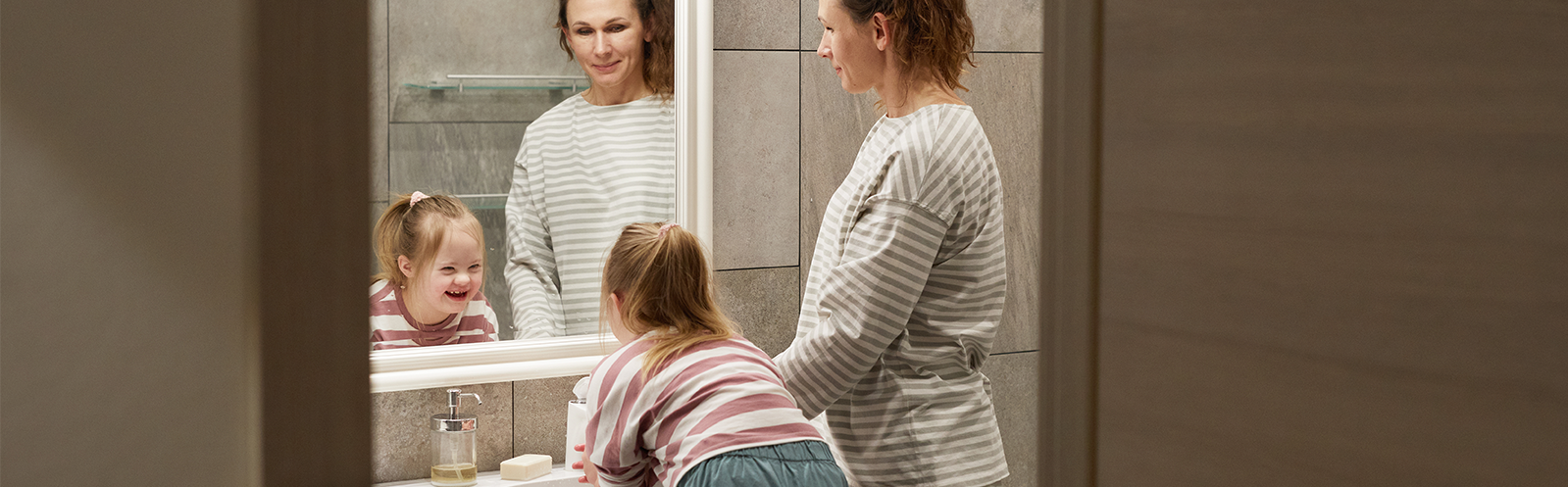
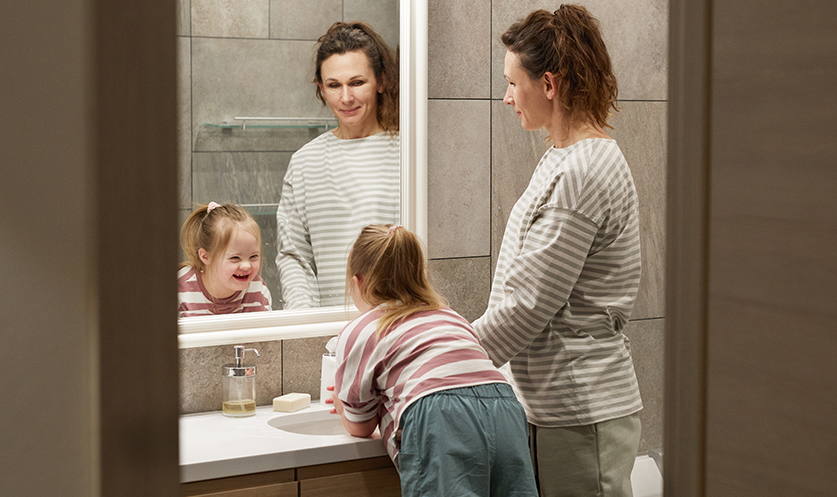
Robust Housing refers to residential structures that are built to withstand various challenges and maintain their functionality and integrity over time. These houses are designed and constructed with durability, resilience, and longevity in mind, all the while maintaining an aesthetically pleasing home like, non-institutional, and patient-centred environment.
Robust Housing typically incorporates high-quality, vandal-resistant materials and thoughtful design considerations that enhance structural strength and performance. The aim of Robust Housing is to provide safe, comfortable, and sustainable living environments, minimising maintenance needs and maximising independent living for individuals with significant intellectual disabilities or high support needs.
Designing Resilient Bathrooms for Robust Housing
Designing resilient bathrooms for Robust Housing involves careful consideration of various design aspects including, accessibility, inclusivity, safety, durability, functionality and sustainability.
- Accessibility involves ensuring that the bathroom space is usable by individuals of all ages and abilities. This includes layout considerations, as well as features such as wider doorways to accommodate wheelchairs, barrier-free showers with grab rails and non-slip flooring, and adjustable-height fixtures to cater to varying needs.
- Inclusivity extends beyond physical accessibility to consider diverse user needs and preferences. This may involve offering options for different fixture heights or incorporating features like handheld showers and adjustable mirrors to accommodate users of varying heights and abilities. Additionally, inclusive design considers factors such as colour contrast and tactile indicators for individuals with visual impairments.
- Safety is crucial in Robust Housing bathroom design, particularly to prevent self-ham, slips, trips, and falls. This includes selecting ligature- and vandal-resistant tapware, slip-resistant flooring materials, installing grab rails and handrails in key locations, and ensuring adequate lighting throughout the space to reduce the risk of accidents.
The use of of Thermostatic Mixing Valves (TMVs) or Point of Use mixers effectively controls the flow of hot and cold water, guaranteeing a consistent supply of mixed water at a predetermined temperature, thereby safeguarding against scalds. In adddition, the integration of monitoring systems provides invaluable insight into the performance of both products and plumbing systems. This enables proactive maintenance and early detection of potential issues, and enhancing overall safety within the bathroom environment. - Durability is essential to ensure that bathroom fixtures are relilient to withstand the rigors of daily use and maintain their functionality, reducing the likelihood of reactive maintenance. This entails selecting high-quality, vandal-resistant materials such as stainless steel, ceramic, or solid surface materials that are resistant to corrosion, scratches, and stains. Additionally, choosing fixtures with simple, robust designs can minimise the risk of breakage and facilitate easier maintenance.
- Functionality ensures that the space is specifically designed to meet the needs of its users. This includes thoughtful layout planning to optimise space utilisation and flow, as well as selecting fixtures and accessories that enhance convenience and ease of use, such as tapware handle or activation. Incorporating storage solutions, such as built-in shelves or vanity cabinets, helps keep the space organised and clutter-free, while features like adjustable showerheads and handheld sprayers offer flexibility for various tasks and preferences.
- Sustainability is an increasingly important consideration in bathroom design, with a focus on reducing water and energy consumption, minimising waste, and using eco-friendly materials. This may involve incorporating water-saving fixtures such as low-flow toilets and tapware, utilising recycled or recyclable materials in construction. When upgrading or installing tapware and sanitaryware, it's important to prioritise environmentally conscious choices by selecting products with third-party certifications like WELS or ENERGY STAR, researching manufacturers' sustainability practices, and considering the product's lifecycle impact.
- Technology introduces innovative solutions to enhance the functionality and convenience of Robust Housing bathrooms. This may include touchless tapware and toilets, smart shower systems with programmable settings, and integrated voice-controlled devices for hands-free operation. Advanced technologies also contribute to energy efficiency and water conservation, with sensors and smart controls optimising usage and reducing waste. Integrating technology into bathroom design not only enhances comfort and convenience but also reflects a commitment to modern living and sustainable practices.
The cohesive integration of style and aesthetics is important, ensuring that tapware and sanitaryware complement the overall design of the home. Consistency in design and finish throughout the house contributes to a comfortable, unified and visually pleasing environment.
Maintenance and Care Tips for Long-lasting Tapware and Sanitaryware
Maintaining tapware and sanitaryware is essential to ensure their longevity and optimal performance. This includes, regularly cleaning fixtures to remove dirt, grime, and mineral deposits using a soft damp cloth with mild liquid detergent or soap and water, avoiding harsh abrasives that may damage finishes. For different materials, specific cleaning techniques are recommended, for example, stainless steel fixtures can be polished with a microfiber cloth and stainless steel cleaner, while ceramic fixtures may benefit from gentle scrubbing with a non-abrasive cleaner.
It's also important to inspect fixtures periodically for leaks, corrosion, or loose parts, addressing any issues promptly to prevent further damage. Regular maintenance routines, such as lubricating moving parts, tightening connections, and replacing worn-out seals or washers, are crucial to prevent deterioration and prolong the lifespan of tapware and sanitaryware.
Our Full Room Solution
Robust Housing fixtures focus on assisting residents in carrying out more tasks independently as well as reducing mental and physical stress of assisted tasks and ensuring a more comfortable experience for residents and caregivers. Galvin Engineering can offer full room bathroom solutions for safe Robust Housing environments. Our Specialised range includes ligature-resistant tapware, showers, thermostatically controlled solutions through to Wallgate solid surface sanitaryware, ligature resistant grab rails, mirrors, drinking solutions and drainage products. We offer small to large scale water control systems and can assist in design through to commissioning.
Frequently Asked Questions
Resilient bathrooms reduce maintenance, improve safety, and support independent living. By combining durable materials, accessible layouts, and safety-focused fixtures, they help minimise risks such as slips, scalding, and damage from heavy use.
Key design principles include:
- Accessibility
- Inclusivity
- Safety
- Durability
- Functionality
- Sustainability
- Technology integration
These elements work together to create bathrooms that are safe, practical, and adaptable to a wide range of user needs.
Accessible bathrooms include features such as:
- Wider doorways for wheelchair access
- Step-free or barrier-free showers
- Grab rails and handrails
- Adjustable-height fixtures
These features ensure usability for people with varying mobility levels and abilities.
Important safety features include:
- Non-slip flooring
- Grab rails and support bars
- Ligature-resistant and vandal-resistant fixtures
- Adequate lighting
- Thermostatic mixing valves (TMVs) to prevent scalding
These elements help reduce risks such as falls, injury, and misuse.
TMVs regulate water temperature to a safe, preset level, preventing scalding. They are essential in environments where users may have reduced sensitivity or slower reaction times, ensuring consistent and safe water delivery.
Durable, low-maintenance materials are preferred, such as:
- Stainless steel
- Ceramic
- Solid surface materials
These materials resist corrosion, staining, and impact, making them ideal for high-use environments.
Inclusive design considers a wide range of physical, sensory, and cognitive needs. This may include:
- Adjustable fixtures
- Handheld showers
- Colour contrast for visibility
- Tactile indicators
It ensures the bathroom is usable by as many people as possible without specialised adaptation.
Technology enhances both safety and efficiency through:
- Sensor-activated (touchless) tapware
- Smart water controls
- Monitoring systems for plumbing performance
These innovations improve hygiene, reduce water waste, and enable proactive maintenance.
Sustainable bathroom design can include:
- Water-efficient fixtures (e.g. low-flow tapware and toilets)
- Energy-efficient systems
- Recyclable or environmentally friendly materials
Selecting products with certifications such as WELS helps ensure water efficiency and environmental compliance.
By combining accessible layouts, easy-to-use fixtures, and safety features, resilient bathrooms allow users to complete daily tasks with minimal assistance, improving dignity and quality of life.
Regular maintenance includes:
- Cleaning with non-abrasive products
- Inspecting for leaks or wear
- Tightening fittings and replacing worn components
Routine care helps extend the lifespan of fixtures and maintain safe operation.
Modern robust housing design prioritises both resilience and aesthetics. By selecting fixtures with residential-style finishes and cohesive design elements, bathrooms can feel comfortable and non-institutional while still meeting durability requirements.