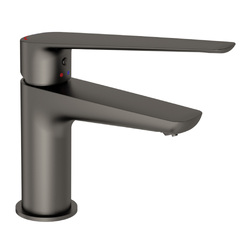
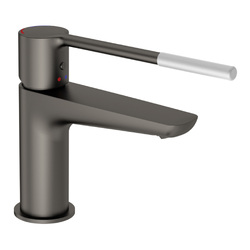
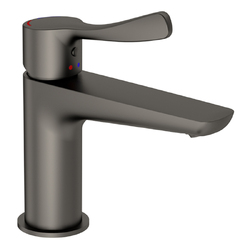
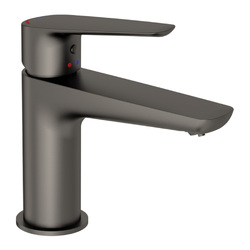
Industries and Solutions

We offer a comprehensive range of specifically designed plumbing fixtures and water monitoring systems for various industries and environments

608 Products Found
+ more
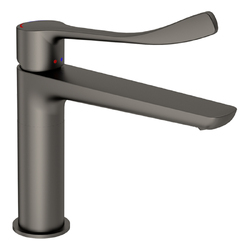
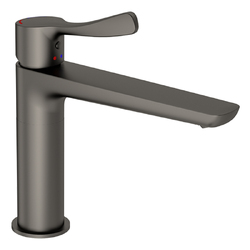
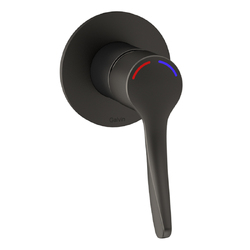
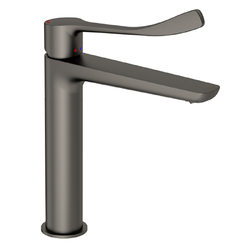
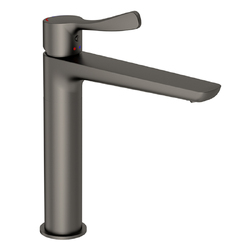
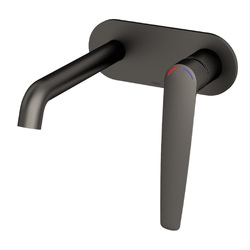
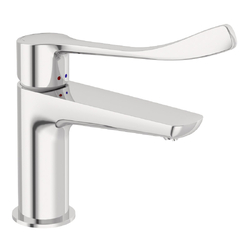
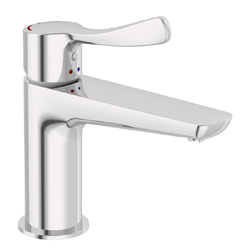
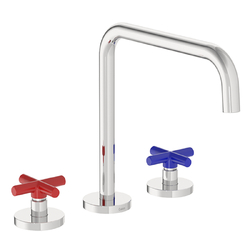
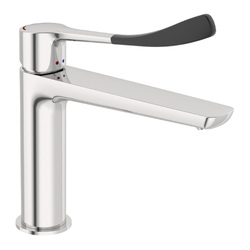
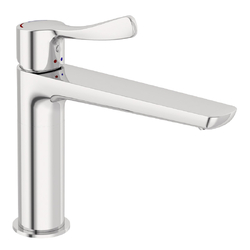
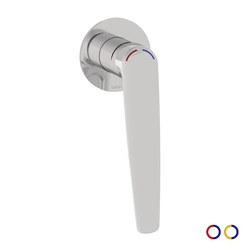
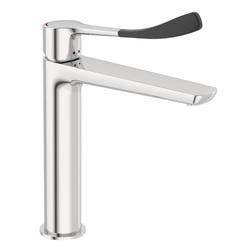
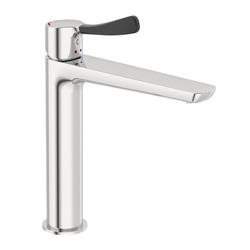
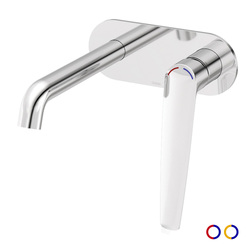
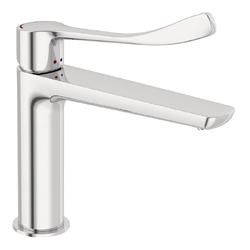
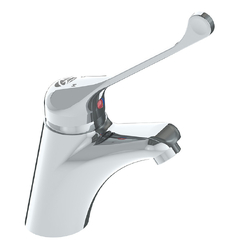
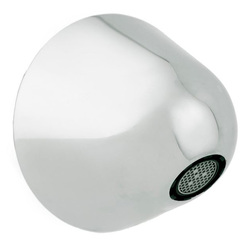
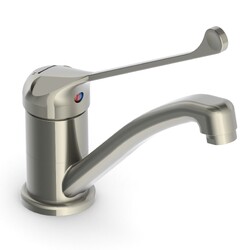
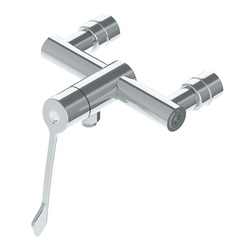
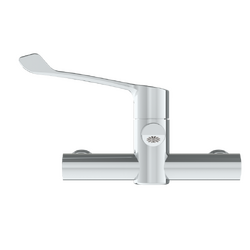
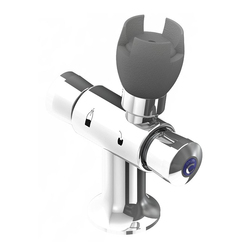
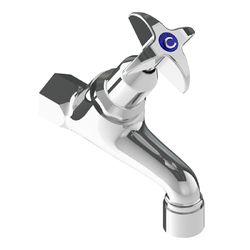
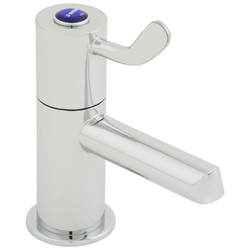
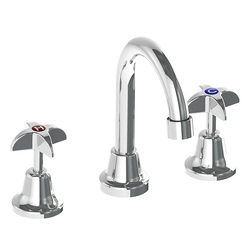
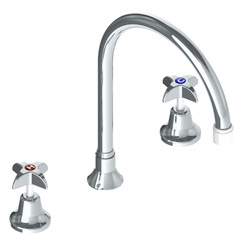
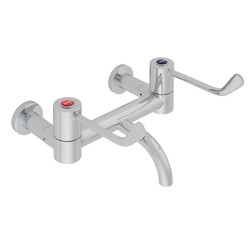
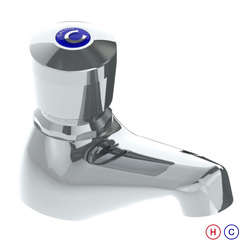
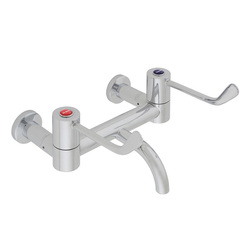
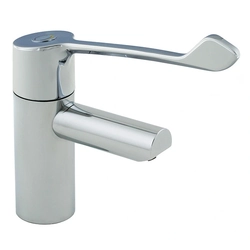
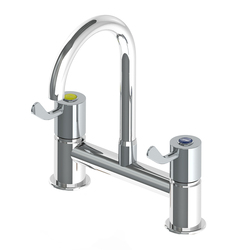
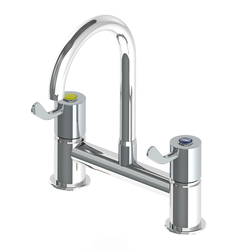
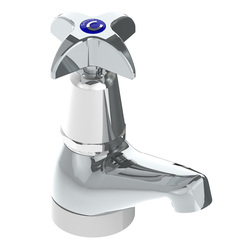
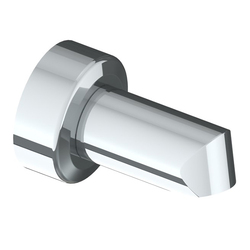
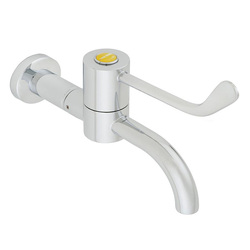
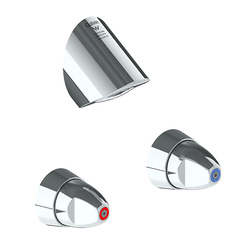
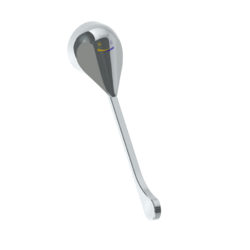
GalvinAssist® CP Lead Safe™ Basin Mixer with Long Flared Handle H&C

GalvinAssist® CP Lead Safe™ Basin Mixer with Long Flared Handle H&C

Codes: 113.42.64.03, 113.42.63.03, 113.42.61.03, 113.42.66.03, 113.42.65.03, 113.42.67.03

+ more
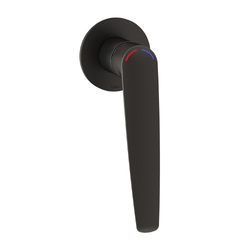
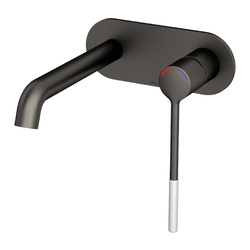
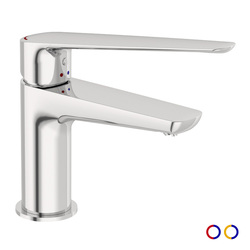
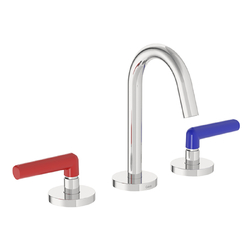
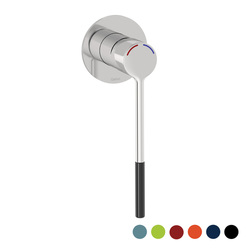
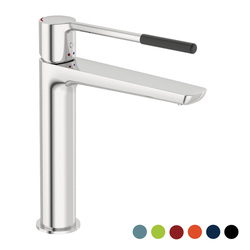
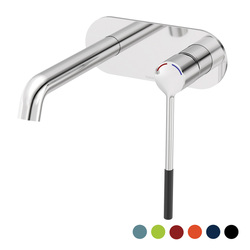
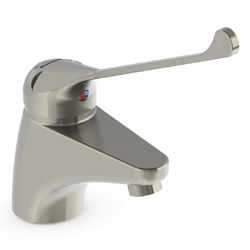
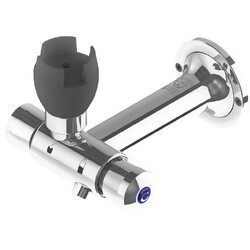
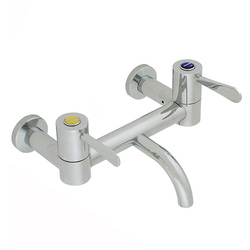
GalvinAssist® CP Lead Safe™ Basin Mixer with Long Pin Handle H&C

GalvinAssist® CP Lead Safe™ Basin Mixer with Long Pin Handle H&C

Codes: 113.42.44.03, 113.42.43.03, 113.42.41.03, 113.42.46.03, 113.42.45.03, 113.42.47.03

+ more
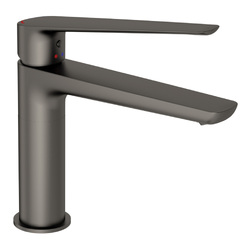
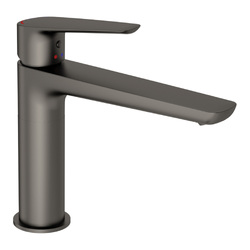
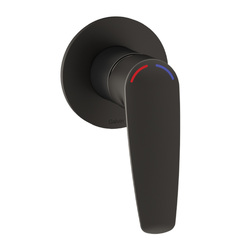
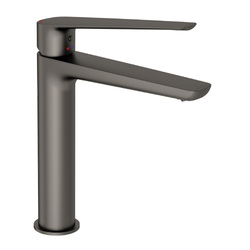
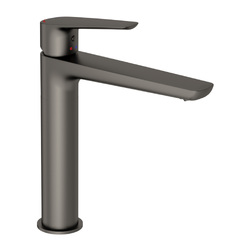
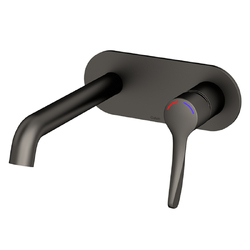
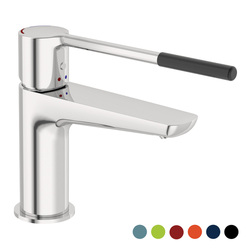
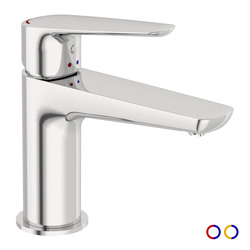
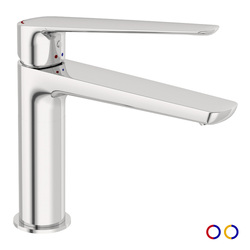
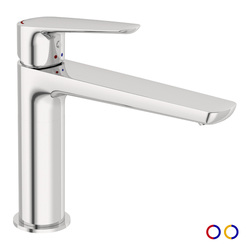
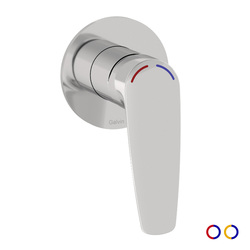
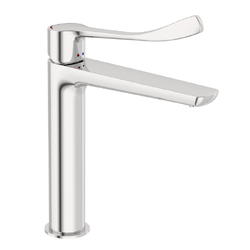
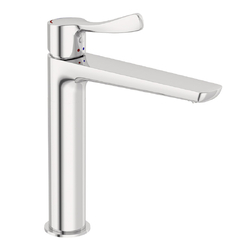
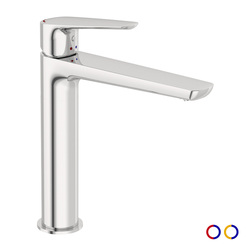
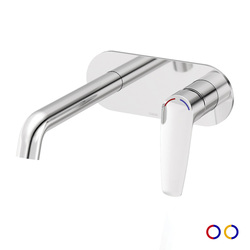
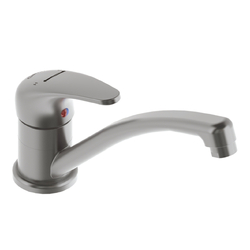
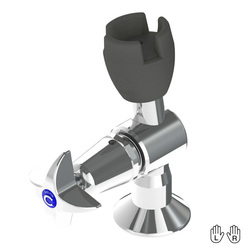
GalvinAssist® CP Lead Safe™ Basin Mixer with Short Flared Handle H&C

GalvinAssist® CP Lead Safe™ Basin Mixer with Short Flared Handle H&C

Codes: 113.42.54.03, 113.42.53.03, 113.42.51.03, 113.42.56.03, 113.42.55.03, 113.42.57.03

+ more
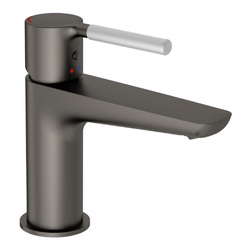
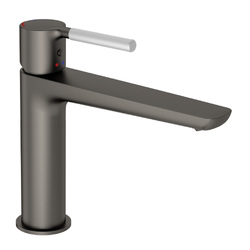
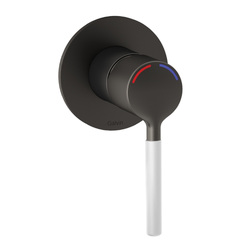
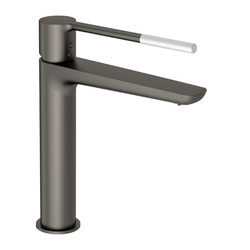
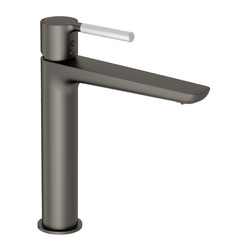
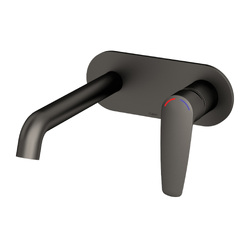
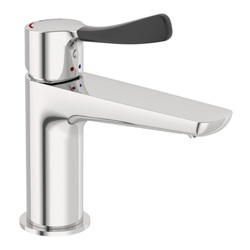
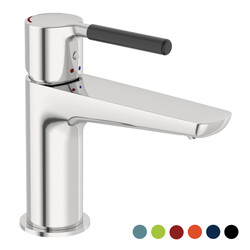
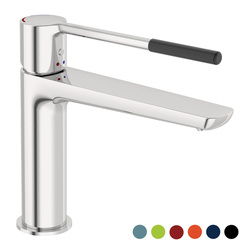
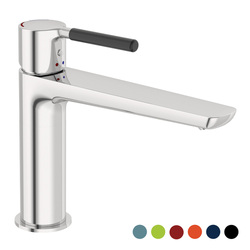
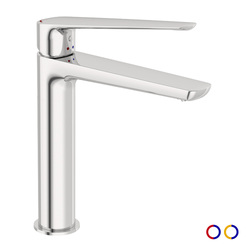
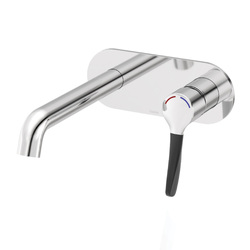
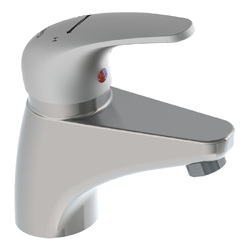
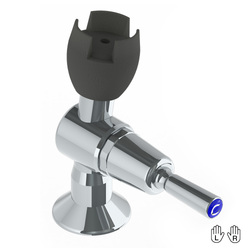
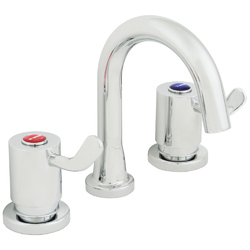
GalvinAssist® CP Lead Safe™ Basin Mixer with Short Pin Handle H&C

GalvinAssist® CP Lead Safe™ Basin Mixer with Short Pin Handle H&C

Codes: 113.42.34.03, 113.42.33.03, 113.42.31.03, 113.42.36.03, 113.42.35.03, 113.42.37.03

+ more
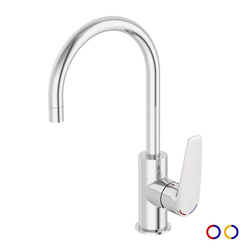
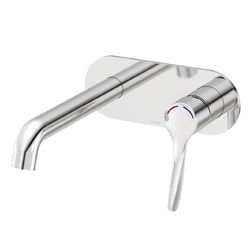
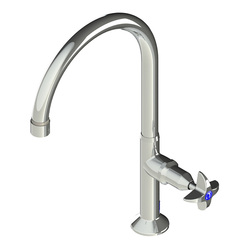
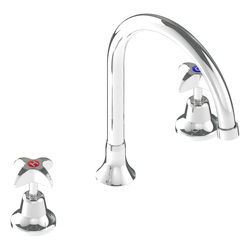
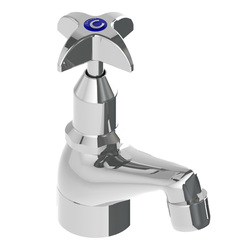
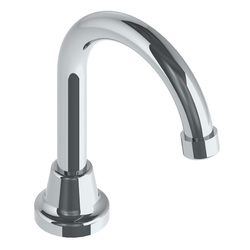
GalvinAssist® CP Lead Safe™ Short Sink Mixer with Long Flared Handle H&C

GalvinAssist® CP Lead Safe™ Short Sink Mixer with Long Flared Handle H&C

Codes: 113.41.64.03, 113.41.63.03, 113.41.61.03, 113.41.66.03, 113.41.65.03, 113.41.67.03

+ more
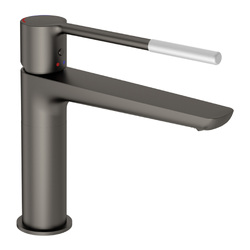
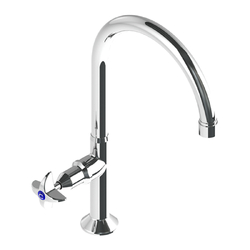
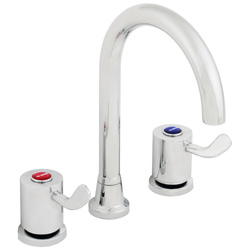
GalvinAssist® CP Lead Safe™ Short Sink Mixer with Long Pin Handle H&C

GalvinAssist® CP Lead Safe™ Short Sink Mixer with Long Pin Handle H&C

Codes: 113.41.44.03, 113.41.43.03, 113.41.41.03, 113.41.46.03, 113.41.45.03, 113.41.47.03

+ more
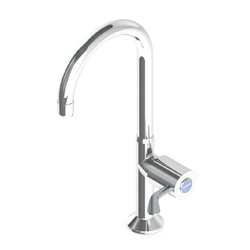
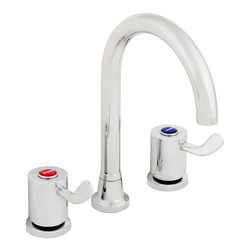
GalvinAssist® CP Lead Safe™ Short Sink Mixer with Short Flared Handle H&C

GalvinAssist® CP Lead Safe™ Short Sink Mixer with Short Flared Handle H&C

Codes: 113.41.54.03, 113.41.53.03, 113.41.51.03, 113.41.56.03, 113.41.55.03, 113.41.57.03

+ more
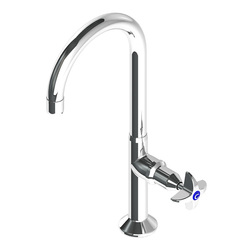
GalvinAssist® CP Lead Safe™ Short Sink Mixer with Short Pin Handle H&C

GalvinAssist® CP Lead Safe™ Short Sink Mixer with Short Pin Handle H&C

Codes: 113.41.34.03, 113.41.33.03, 113.41.31.03, 113.41.36.03, 113.41.35.03, 113.41.37.03

+ more
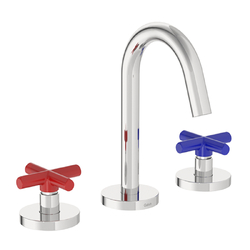
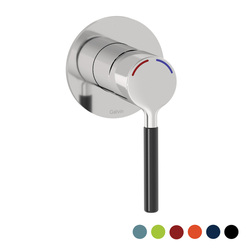
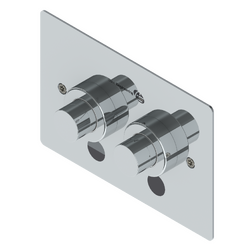
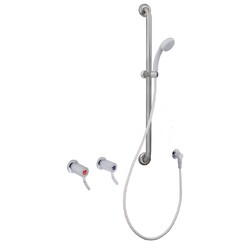
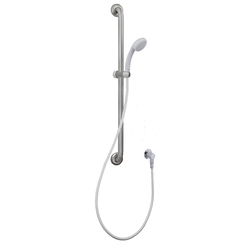
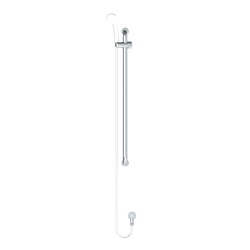
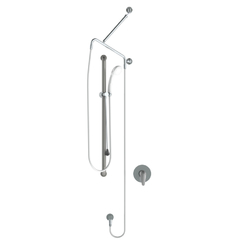
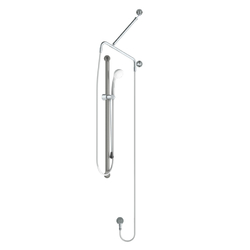
GalvinAssist® CP Lead Safe™ Shower Mixer Set with Long Flared Handle H&C

GalvinAssist® CP Lead Safe™ Shower Mixer Set with Long Flared Handle H&C

Codes: 113.62.64.03, 113.62.63.03, 113.62.61.03, 113.62.66.03, 113.62.65.03, 113.62.67.03

+ more
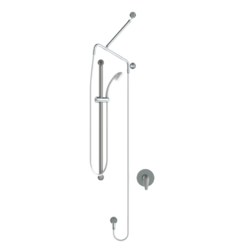
GalvinAssist® CP Lead Safe™ Shower Mixer Set with Long Pin Handle H&C

GalvinAssist® CP Lead Safe™ Shower Mixer Set with Long Pin Handle H&C

Codes: 113.62.44.03, 113.62.43.03, 113.62.41.03, 113.62.46.03, 113.62.45.03, 113.62.47.03

+ more
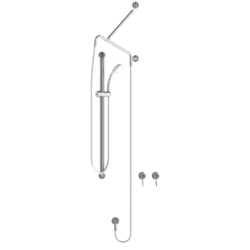
GalvinAssist® CP Lead Safe™ Shower Mixer Set with Short Flared Handle H&C

GalvinAssist® CP Lead Safe™ Shower Mixer Set with Short Flared Handle H&C

Codes: 113.62.54.03, 113.62.53.03, 113.62.51.03, 113.62.56.03, 113.62.55.03, 113.62.57.03

+ more
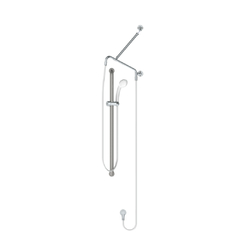
GalvinAssist® CP Lead Safe™ Shower Mixer Set with Short Pin Handle H&C

GalvinAssist® CP Lead Safe™ Shower Mixer Set with Short Pin Handle H&C

Codes: 113.62.34.03, 113.62.33.03, 113.62.31.03, 113.62.36.03, 113.62.35.03, 113.62.37.03

+ more
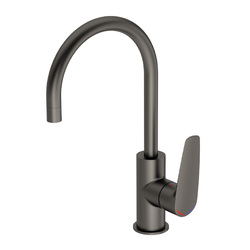
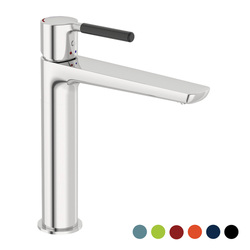
GalvinAssist® CP Lead Safe™ Tall Sink Mixer with Long Flared Handle H&C

GalvinAssist® CP Lead Safe™ Tall Sink Mixer with Long Flared Handle H&C

Codes: 113.43.64.03, 113.43.63.03, 113.43.61.03, 113.43.66.03, 113.43.65.03, 113.43.67.03

+ more
GalvinAssist® CP Lead Safe™ Tall Sink Mixer with Long Pin Handle H&C

GalvinAssist® CP Lead Safe™ Tall Sink Mixer with Long Pin Handle H&C

Codes: 113.43.44.03, 113.43.43.03, 113.43.41.03, 113.43.46.03, 113.43.45.03, 113.43.47.03

+ more
GalvinAssist® CP Lead Safe™ Tall Sink Mixer with Short Flared Handle H&C

GalvinAssist® CP Lead Safe™ Tall Sink Mixer with Short Flared Handle H&C

Codes: 113.43.54.03, 113.43.53.03, 113.43.51.03, 113.43.56.03, 113.43.55.03, 113.43.57.03

+ more
GalvinAssist® CP Lead Safe™ Tall Sink Mixer with Short Pin Handle H&C

GalvinAssist® CP Lead Safe™ Tall Sink Mixer with Short Pin Handle H&C

Codes: 113.43.34.03, 113.43.33.03, 113.43.31.03, 113.43.36.03, 113.43.35.03, 113.43.37.03

+ more
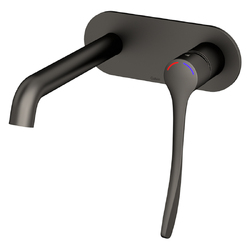
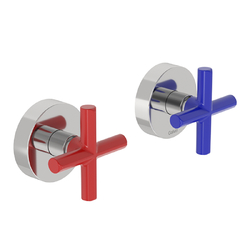
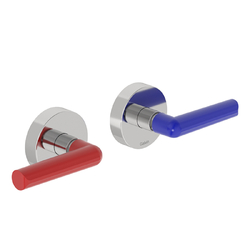
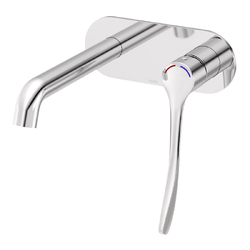
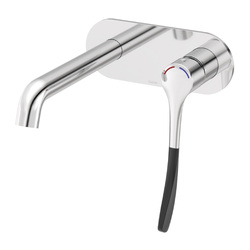
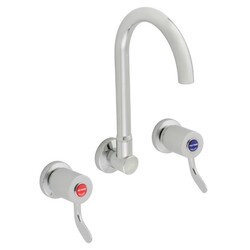
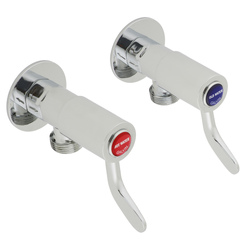
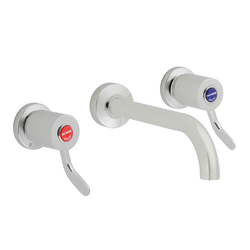
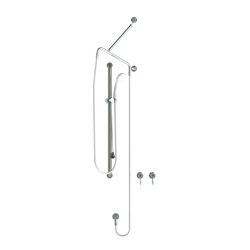
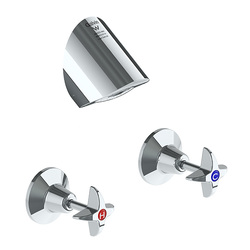
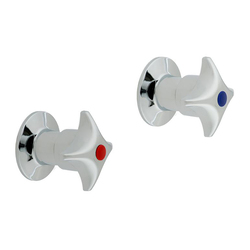
GalvinAssist® CP Lead Safe™ Wall Mixer Set with Long Flared Handle H&C

GalvinAssist® CP Lead Safe™ Wall Mixer Set with Long Flared Handle H&C

Codes: 113.61.64.03, 113.61.63.03, 113.61.61.03, 113.61.66.03, 113.61.65.03, 113.61.67.03

+ more
GalvinAssist® CP Lead Safe™ Wall Mixer Set with Long Pin Handle H&C

GalvinAssist® CP Lead Safe™ Wall Mixer Set with Long Pin Handle H&C

Codes: 113.61.44.03, 113.61.43.03, 113.61.41.03, 113.61.46.03, 113.61.45.03, 113.61.47.03

+ more
GalvinAssist® CP Lead Safe™ Wall Mixer Set with Short Flared Handle H&C

GalvinAssist® CP Lead Safe™ Wall Mixer Set with Short Flared Handle H&C

Codes: 113.61.54.03, 113.61.53.03, 113.61.51.03, 113.61.56.03, 113.61.55.03, 113.61.57.03

+ more
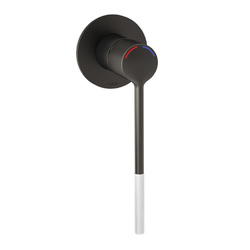
GalvinAssist® CP Lead Safe™ Wall Mixer Set with Short Pin Handle H&C

GalvinAssist® CP Lead Safe™ Wall Mixer Set with Short Pin Handle H&C

Codes: 113.61.34.03, 113.61.33.03, 113.61.31.03, 113.61.36.03, 113.61.35.03, 113.61.37.03

+ more
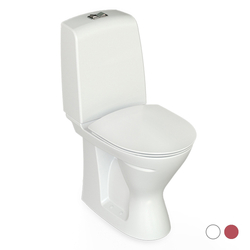
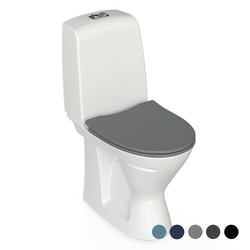
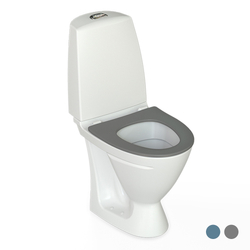
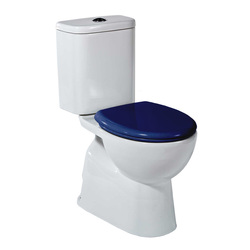
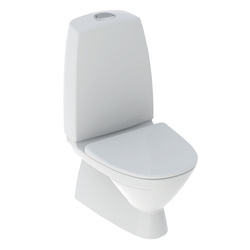
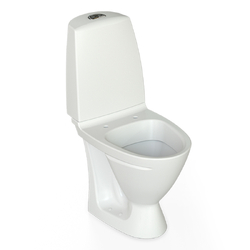
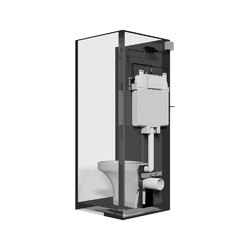
Ifo Sign 6872 Toilet with Ifo Double Flap Seat

Ifo Sign 6872 Toilet with Ifo Double Flap Seat

Codes: 108.01.03.31, 108.01.03.21, 108.01.03.01

+ more
Ifo Sign 6872 Toilet with Ifo Double Flap Seat Soft Close

Ifo Sign 6872 Toilet with Ifo Double Flap Seat Soft Close

Codes: 108.01.02.11, 108.01.02.31, 108.01.02.01

+ more
Ifo Sign 6872 Toilet with Pressalit Double Flap Seat

Ifo Sign 6872 Toilet with Pressalit Double Flap Seat

Codes: 108.01.01.41, 108.01.01.11, 108.01.01.51, 108.01.01.31, 108.01.01.01

+ more
Ifo Sign 6872 Toilet with Pressalit Single Flap Seat

Ifo Sign 6872 Toilet with Pressalit Single Flap Seat

Codes: 108.01.00.41, 108.01.00.51, 108.01.00.31, 108.01.00.01

+ more
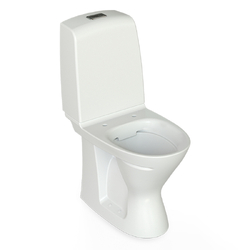
Ifo Spira 6261 Toilet with Ifo Double Flap Seat

Ifo Spira 6261 Toilet with Ifo Double Flap Seat

Codes: 108.00.03.30, 108.00.03.20, 108.00.03.00

+ more
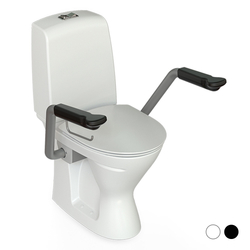
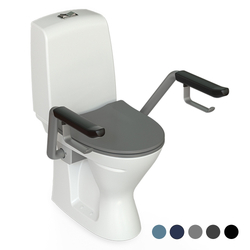
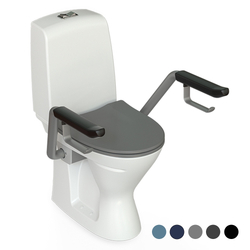
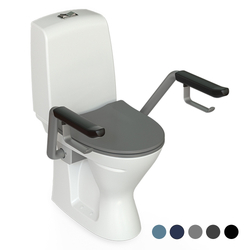
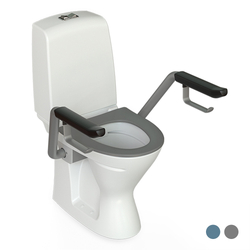
Ifo Spira 6261 Toilet with Ifo Double Flap Seat & Support Arms

Ifo Spira 6261 Toilet with Ifo Double Flap Seat & Support Arms

Codes: 108.00.13.30, 108.00.13.20, 108.00.13.00

+ more
Ifo Spira 6261 Toilet with Ifo Double Flap Soft Close Seat

Ifo Spira 6261 Toilet with Ifo Double Flap Soft Close Seat

Codes: 108.00.02.10, 108.00.02.30, 108.00.02.00

+ more
Ifo Spira 6261 Toilet with Pressalit Double Flap Seat

Ifo Spira 6261 Toilet with Pressalit Double Flap Seat

Codes: 108.00.01.40, 108.00.01.10, 108.00.01.50, 108.00.01.30, 108.00.01.60, 108.00.01.00

+ more
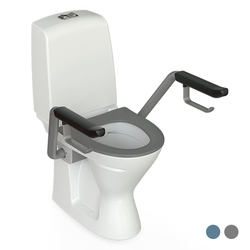
Ifo Spira 6261 Toilet with Pressalit Double Flap Seat & Support Arms

Ifo Spira 6261 Toilet with Pressalit Double Flap Seat & Support Arms

Codes: 108.00.21.40, 108.00.21.10, 108.00.21.50, 108.00.21.30, 108.00.21.60, 108.00.21.00

+ more
Ifo Spira 6261 Toilet with Pressalit Double Flap Seat, Support Arms & Nurse Call LH

Ifo Spira 6261 Toilet with Pressalit Double Flap Seat, Support Arms & Nurse Call LH

Codes: 108.00.41.40, 108.00.41.10, 108.00.41.50, 108.00.41.30, 108.00.41.60, 108.00.41.00

+ more
Ifo Spira 6261 Toilet with Pressalit Double Flap Seat, Support Arms & Nurse Call RH

Ifo Spira 6261 Toilet with Pressalit Double Flap Seat, Support Arms & Nurse Call RH

Codes: 108.00.31.40, 108.00.31.10, 108.00.31.50, 108.00.31.30, 108.00.31.60, 108.00.31.00

+ more
Ifo Spira 6261 Toilet with Pressalit Single Flap Seat

Ifo Spira 6261 Toilet with Pressalit Single Flap Seat

Codes: 108.00.00.40, 108.00.00.30, 108.00.00.00

+ more
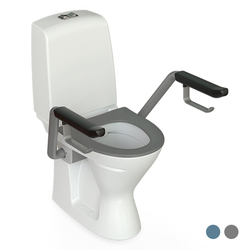
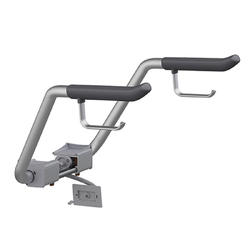
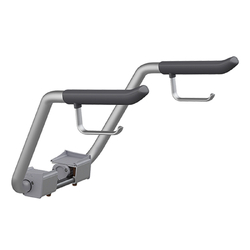
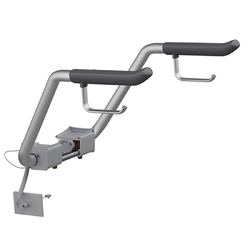
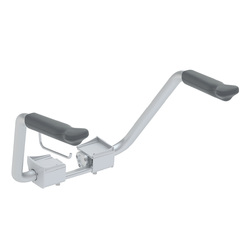
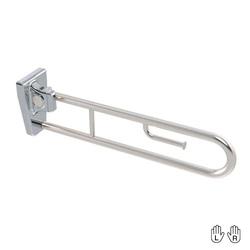
Ifo Support Arms with Single Toilet Roll Holder

Ifo Support Arms with Single Toilet Roll Holder

Codes: 502.299.00.1, 502.299.00.1-KIT

+ more
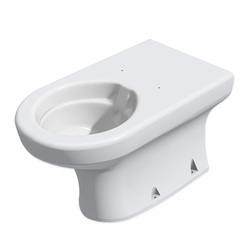
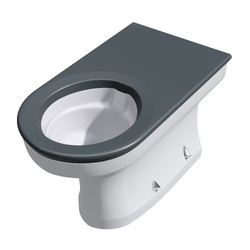
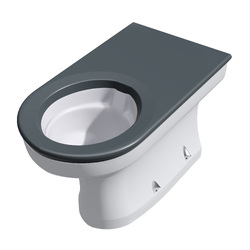
Wallgate Ligature Resistant S/Surface Accessible Pan Coved with Integ Seat 460x810mm

Wallgate Ligature Resistant S/Surface Accessible Pan Coved with Integ Seat 460x810mm

Codes: 123.44.34.40, 123.44.33.40, 123.44.32.40, 123.44.35.40, 123.44.31.40

+ more
Wallgate Ligature Resistant S/Surface Ambulant Pan Coved with Integ Seat 476x652mm

Wallgate Ligature Resistant S/Surface Ambulant Pan Coved with Integ Seat 476x652mm

Codes: 123.42.34.40, 123.42.33.40, 123.42.32.40, 123.42.35.40, 123.42.31.40

+ more
Wallgate Ligature S/Surface Pan S&P Trap Coved with Integ Seat 446x702mm

Wallgate Ligature S/Surface Pan S&P Trap Coved with Integ Seat 446x702mm

Codes: 123.41.34.40, 123.41.33.40, 123.41.32.40, 123.41.35.40, 123.41.31.40

+ more
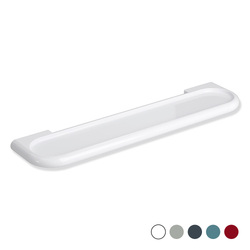
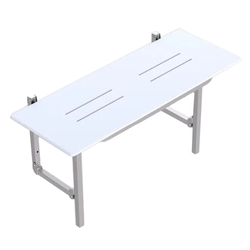
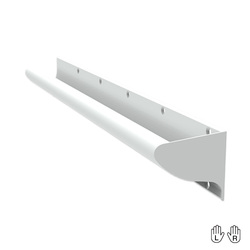
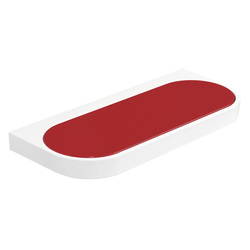
HEWI Shelf (Nylon) B=600mm

HEWI Shelf (Nylon) B=600mm

Codes: 477.03.100.55, 477.03.100.33, 477.03.100.98, 477.03.100.95

+ more
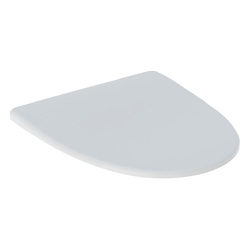
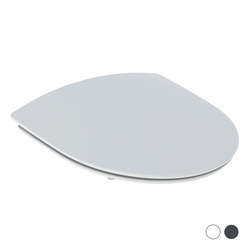
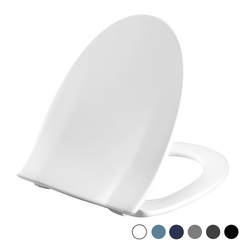
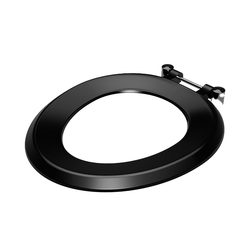
Pressalit Double Flap Toilet Seat

Pressalit Double Flap Toilet Seat

Codes: 554068-BD1999, 554001-BD1999, 554108-BD1999, 554112-BD1999, 554231-BD1999, 554000-BD1999

+ more
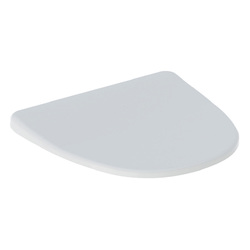
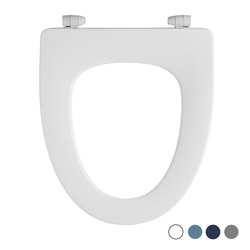
Pressalit Single Flap Toilet Seat

Pressalit Single Flap Toilet Seat

Codes: 553068-BD1999, 553108-BD1999, 553112-BD1999, 553000-BD1999

+ more
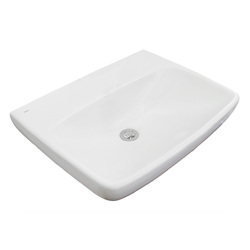
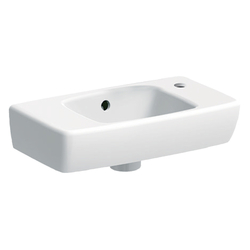
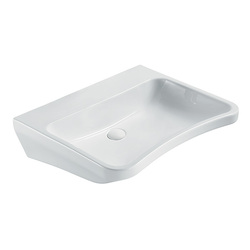
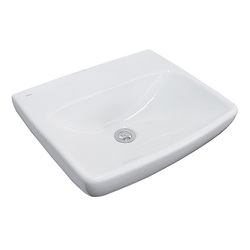
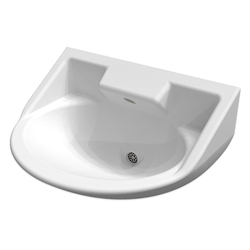
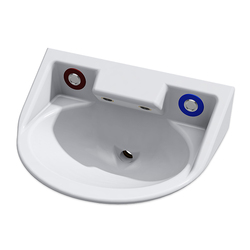
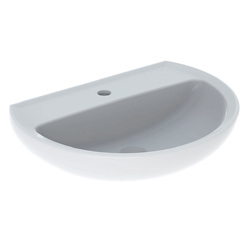
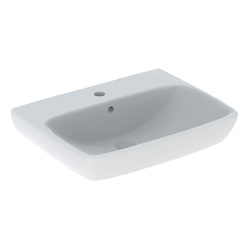
GalvinAssist® 600mm Wall Mount Basin with Overflow (LH/RH)

GalvinAssist® 600mm Wall Mount Basin with Overflow (LH/RH)

Codes: 105.33.10.01, 105.33.11.03, 105.33.11.01, 105.33.10.03

+ more
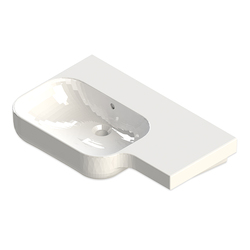
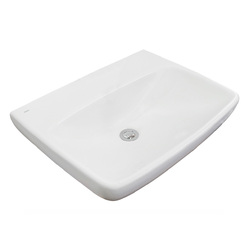
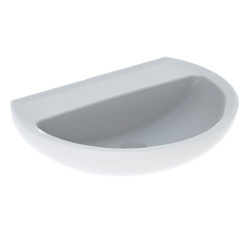
GalvinAssist® 720mm Accessible Wall Basin LH Bowl (0TH/3TH)

GalvinAssist® 720mm Accessible Wall Basin LH Bowl (0TH/3TH)

Codes: 105.30.71.01, 105.30.71.03, 105.30.71.07, 105.30.71.00, 105.30.71.02, 105.30.71.06

+ more
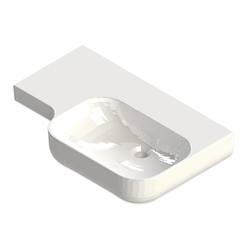
GalvinAssist® 720mm Accessible Wall Basin RH Bowl (0TH/3TH)

GalvinAssist® 720mm Accessible Wall Basin RH Bowl (0TH/3TH)

Codes: 105.30.70.06, 105.30.70.01, 105.30.70.03, 105.30.70.07, 105.30.70.00, 105.30.70.02

+ more
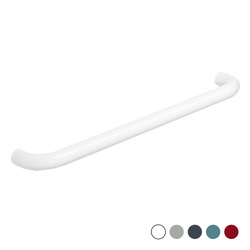
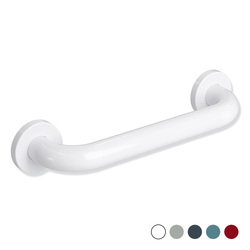
HEWI Grab Bar A=300mm BM211.2

HEWI Grab Bar A=300mm BM211.2

Codes: 801.36.100.92, 801.36.100.55, 801.36.100.33, 801.36.100.98, 801.36.100.95

+ more
HEWI Towel Holder A=1000mm DIA=33mm with Rose Fixing

HEWI Towel Holder A=1000mm DIA=33mm with Rose Fixing

Codes: 477.30.320.92, 477.30.320.55, 477.30.320.33, 477.30.320.98, 477.30.320.95

+ more
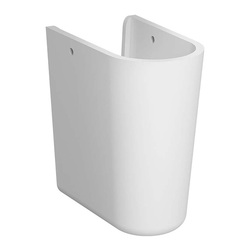
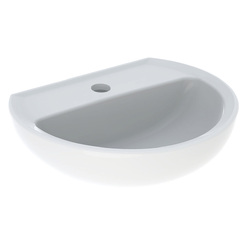
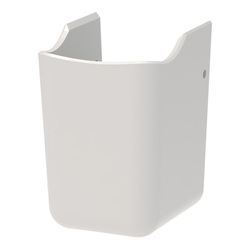
Kolo Rekord Basin Shroud

Kolo Rekord Basin Shroud

Codes: K97101000, K97101000-KIT

+ more
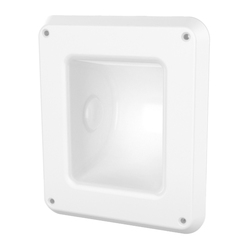
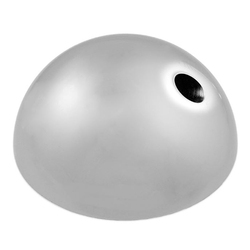
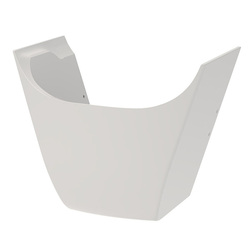
Selnova Basin Shroud

Selnova Basin Shroud

Codes: 500.329.01.7, 500.329.01.7-KIT

+ more
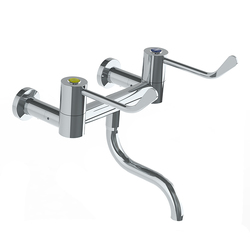
CliniLever® CP-BS Lead Safe™ Hospital Wall Mixing Set Type 51 Fixed/Swivel 150

CliniLever® CP-BS Lead Safe™ Hospital Wall Mixing Set Type 51 Fixed/Swivel 150

Codes: 102.20.21.00, 102.20.11.00, 102.21.21.00, 102.21.11.00

+ more
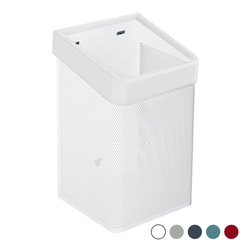
HEWI Paper Towel Basket Perforated Metal

HEWI Paper Towel Basket Perforated Metal

Codes: 477.05.20012.95, 477.05.20012.92, 477.05.20012.55, 477.05.20012.33, 477.05.20012.98

+ more
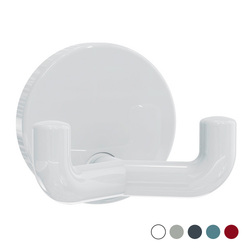
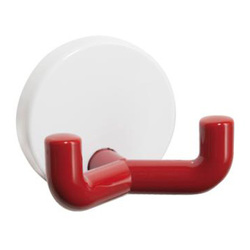
HEWI Double Hook DIA=50mm with Rose Fixing

HEWI Double Hook DIA=50mm with Rose Fixing

Codes: 477.90.025.92, 477.90.025.55, 477.90.025.33, 477.90.025.98, 477.90.025.95

+ more
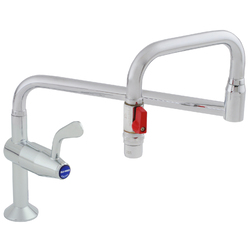
CliniLever® CP-BS Lead Safe™ Hospital Sink Set with Swivel Outlet 80/150

CliniLever® CP-BS Lead Safe™ Hospital Sink Set with Swivel Outlet 80/150

Codes: 102.15.11.03, 102.15.22.03, 102.15.12.03, 102.15.21.03

+ more
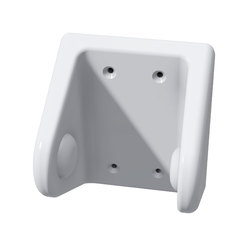
HEWI Toilet Roll Holder

HEWI Toilet Roll Holder

Codes: 477.21.100.92, 477.21.100.55, 477.21.100.33, 477.21.100.98, 477.21.100.95

+ more
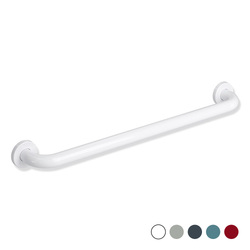
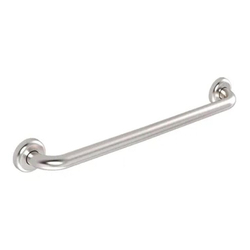
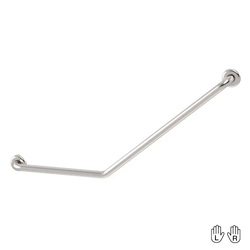
GalvinAssist® SS Straight Grab Rail (300mm - 1200mm)

GalvinAssist® SS Straight Grab Rail (300mm - 1200mm)

Codes: 105.00.11.01, 105.00.12.01, 105.00.00.01, 105.00.03.01, 105.00.06.01, 105.00.08.01, 105.00.09.01

+ more
HEWI Tumbler Flat Bottom

HEWI Tumbler Flat Bottom

Codes: 477.04.020.92, 477.04.020.55, 477.04.020.33, 477.04.020.98, 477.04.020.95

+ more
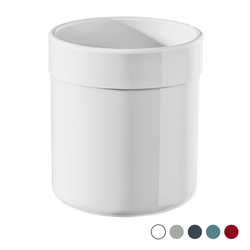
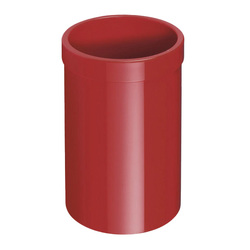
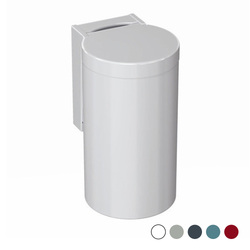
HEWI Waste Bin

HEWI Waste Bin

Codes: 477.05.100.92, 477.05.100.55, 477.05.100.33, 477.05.100.98, 477.05.100.95

Frequently Asked Questions

The Australian Standard AS1428 – Design for access and mobility specifies the design requirements for new building work, as required by the Building Code of Australia (BCA), as well as the Disability (Access to Premises - Buildings) Standards (Premises Standards). Specifically, it focuses on design elements that aim to make buildings accessible to people with disabilities.

AS 1428.1 includes guidelines on aspects of design, such as: general requirements, accessible toilets, car parking, entrances and exits, ramps and gradients, handrails and balustrades, tactile ground surface indicators (TGSIs), and visual and auditory impairments.

Please note that standards may be updated, revised, or replaced, so it's important to check for the latest version.

In reference to AS 1428.1, accessible tapware refers to water fixtures and faucets designed to be inclusive and user-friendly for individuals with various abilities, including those with disabilities. This includes using lever handles or push controls, sensor-activated and touchless controls, ensuring easy operation and clear markings. The standard also covers aspects including specific height and reach requirements, as well anti-scald features.

Some examples include:

  • Taps shall have lever handles, sensor plates, voice activation or other similar controls.
  • Lever handles shall not have less than 50mm clearance from an adjacent surface, and where hot water is provided, the water shall be delivered through a mixing valve outlet to ensure scald protection.

Note: Always consult the latest version of the standard for the most current specifications.

AS 1428.1, the Australian Standard for Design for Access and Mobility, outlines requirements for ambulant basins to ensure accessibility for individuals with varying mobility impairments. These guidelines cover factors such as clear space, appropriate basin height, use of mixer taps, accessible location, mirror placement, avoidance of protruding objects, clearance under the basin, and considerations for visual and tactile contrasts. Compliance with these standards ensures that ambulant basins are designed to accommodate wheelchair users and individuals with disabilities. 

Some examples include:

  • The basin should not infringe on the turning circle.
  • The rim of the basin should be within 800mm to 830mm above the finished floor level.
  • There must be an integrated shelf that is a minimum of 300mm long.

Note: Always consult the latest version of the standard for the most current specifications.

AS 1428.1, the Australian Standard for Design for Access and Mobility, outlines requirements for accessible basins to ensure usability for individuals with disabilities. Generally, AS 1428.1 requirements include considerations such as a suitable basin height to accommodate wheelchair users, clear space for easy approach and use, lever-operated or sensor-activated taps for ease of use, clearance under the basin, appropriate mirror placement, and fixtures designed to prevent scalding and provisions for visual and tactile contrasts.

Some examples include:

  • The basin must have an integrated shelf no less than 300mm long.
  • Water taps must have a single lever flick-mixer handle or a sensor plate.
  • Lever handles must be installed with a clear space of no less than 50mm between the tap and any adjacent surface.

Note: Always consult the latest version of the standard for the most current specifications. 

Accessible showers are designed to accommodate individuals with mobility challenges, featuring roll-in accessibility for wheelchair users, strategically placed grab bars and handrails for support, and non-slip flooring to enhance safety. These showers may include features like fold-down or built-in shower seats, easily reachable controls, wide entry spaces, and visual/tactile contrasts for individuals with various abilities, including those with visual impairments.

Compliance with standards like AS 1428.1 ensures that accessible showers meet the necessary criteria for inclusivity, offering a comfortable and safe experience for all users.

Note: Always consult the latest version of the standard for the most current specifications. 

Accessible grab rails are structural elements commonly made of durable materials like stainless steel or plastic, strategically placed in buildings to provide support and aid to individuals with mobility impairments. Positioned at appropriate heights and featuring a comfortable grip, these rails are often installed near toilets, showers, ramps and along corridors to offer stability and aid in tasks like transferring from wheelchairs or navigating spaces. 

Compliance with accessibility standards, such as those outlined in AS 1428.1 in Australia, ensures proper installation, considering factors like color contrast, rail configuration, and spacing, to enhance usability for people with disabilities and promote safety in various environments.

Note: Always consult the latest version of the standard for the most current specifications. 

Ambulant Toilets are designed to cater to individuals with mild mobility impairments or those who may not require the full features of a dedicated accessible toilet.
Features include: 

  • Wider Doors - Ambulant toilet doors are wider than standard toilet doors to accommodate users who may need more space.
  • Grab Rails - They typically have grab rails to assist with balance and support.
  • Space - While they are more spacious than standard cubicles, they may not be as large as fully accessible toilets.

Ambulant toilets are suitable for people with temporary disabilities, elderly individuals, or those who can manage with some assistance but do not require the full features of an accessible toilet.

Accessible Toilets also known as "disabled toilets" are designed for individuals with more significant mobility impairments or those who use mobility aids such as wheelchairs.
Features include:

  • Wider Spaces - Accessible toilets are more spacious to accommodate wheelchair users and their assistants.
  • Grab Rails - They have strategically placed grab rails for support and transfer.
  • Accessible Fixtures - Fixtures such as sinks, and hand dryers are positioned at accessible heights.
  • Emergency Alarm - Some accessible toilets are equipped with emergency alarm systems for user safety.

Accessible toilets are essential for individuals with disabilities who require a more significant level of assistance or space to manoeuver, including wheelchair users.

Coloured Seats
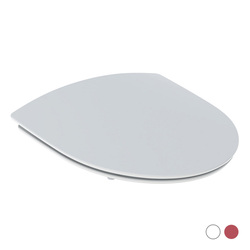
Coloured toilet seats can be chosen for aesthetic reasons or to provide visual contrast in the bathroom environment. For individuals with visual impairments or cognitive difficulties, a colour that contrasts with the surrounding fixtures and walls can make it easier to locate and use the toilet. 

Single or double-flapped Seats
Double flap seats are generally used in ambulant bathrooms; whereas, single flap seats are preferred for accessible bathrooms, especially when used to transfer from a wheelchair. Single flap seats come with sideways buffers to prevent seat movement. 

Note: Always consult the latest version of the standard for the most current specifications. 

Accessible backrests for toilets serve to enhance the comfort and safety of individuals with mobility impairments, particularly those facing challenges in lowering and rising from standard toilet seats. Wheelchair users find them valuable for added support during the transfer process, promoting greater independence. 

Additionally, as part of designing for an aging population, backrests contribute to the well-being of older individuals by providing stability and assistance in maintaining balance.

Note: Always consult the latest version of the standard for the most current specifications. 

The material, colour and finish of ambulant and accessible products’ can be customised; however, form can only be customised within the boundaries of the standard AS 1428.1.

Note: Always consult the latest version of the standard for the most current specifications. 

Frequently Asked Questions

Managing Legionella within an Aged Care facility is critical to ensure the safety and well-being of residents. Here are some key steps to manage Legionella effectively:

  1.  Risk Assessment: Conduct a thorough risk assessment of the facility to identify potential sources of Legionella growth and transmission. This includes assessing water systems, cooling towers, hot water systems, showers, taps, and any other water sources. 
  2. Water Management Plan: Develop a comprehensive water management plan tailored to the facility's specific needs and risks. This plan should outline strategies for controlling Legionella growth, including temperature control, disinfection procedures, and regular monitoring.
  3. Temperature Control: Maintain water temperatures outside the ideal range for Legionella growth. 
  4. Water Treatment: Implement appropriate water treatment measures to control Legionella bacteria. Regularly monitor and maintain appropriate disinfectant levels.
  5. Cleaning and Maintenance: Ensure regular cleaning and maintenance of water systems, including removing sediment and biofilm where Legionella can grow. Pay particular attention to areas where water stagnates or where temperatures fluctuate.
  6. Monitoring and Testing: Establish a regular monitoring and testing schedule to assess the effectiveness of control measures and detect any potential issues early. This may include sampling water for Legionella bacteria and other indicators of water quality.
  7. Staff Training: Provide training for staff on Legionella awareness, prevention, and control measures. Staff should be educated on the importance of proper water management and hygiene practices to minimize the risk of Legionella transmission.
  8. Documentation and Review: Keep detailed records of Legionella management activities, including risk assessments, water testing results, and corrective actions taken. Regularly review and update the water management plan based on new information or changes in the facility.

A water/temperature monitoring system offers several benefits and values within Aged Care facilities:

  • Early Detection of Issues: Monitoring systems can detect deviations from safe water temperatures or other parameters that could indicate potential problems such as Legionella growth or equipment malfunctions.
  • Preventive Maintenance: Continuous monitoring helps identify maintenance needs, such as cleaning or repairing equipment, before they lead to significant problems. 
  • Compliance with Regulations: Many regulatory agencies require Aged Care facilities to monitor water quality and temperature to ensure compliance with health and safety standards. Implementing a monitoring system helps facilities meet these regulatory requirements and demonstrate adherence to best practices.
  • Enhanced Resident Safety: By maintaining optimal water quality and temperature, monitoring systems help ensure the safety and well-being of residents. 
  • Data-driven Decision Making: Monitoring systems provide valuable data on water quality trends, usage patterns, and system performance over time. Facility managers can use this data to make informed decisions about water management strategies, resource allocation, and infrastructure improvements.
  • Cost Savings: Proactively managing water quality and temperature can help reduce operational costs associated with water treatment, energy consumption, maintenance, and potential outbreaks of waterborne illnesses. Investing in a monitoring system can lead to long-term cost savings by preventing costly repairs and mitigating risks.

Overall, a water monitoring system is a valuable tool for Aged Care facilities to safeguard resident health, comply with regulations, and optimise operational efficiency. It provides real-time insights and early warning capabilities that help prevent issues before they impact residents or lead to regulatory non-compliance.

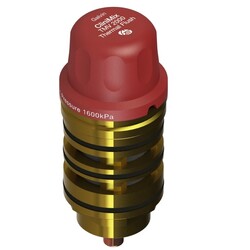
Thermostatic Mixing Valves (TMVs) in Aged Care facilities are subject to local regulations and standards such as AS/NZS 4032.3:2016, ensuring they mix hot and cold water to maintain safe outlet temperatures typically between 38°C and 45°C, crucial for preventing scalding among vulnerable residents. 

Installation, maintenance, and documentation must align with regulatory requirements, with qualified plumbers responsible for installation and periodic maintenance to ensure proper functionality. 

Staff training on TMV operation and response procedures to temperature-related incidents is essential, as is conducting risk assessments of water systems to identify and mitigate potential hazards, ultimately safeguarding resident safety and compliance with regulations.
 

Products designed for visually impaired individuals and those with dementia should prioritize simplicity, ease of use, and safety. Here are some examples of products that are well-suited for these populations:

  • Tactile and High-Contrast Design: Opt for tapware and sanitaryware with tactile markings and high-contrast colours to aid individuals with visual impairments in distinguishing between different fixtures and controls easily.
  • Simple Operation: Choose fixtures with straightforward and intuitive controls, such as lever handles or single-handle faucets, to minimize confusion and make it easier for individuals with dementia to use the bathroom independently.
  • Temperature Control: Install thermostatic mixing valves (TMVs) to regulate water temperature and prevent burns, ensuring the safety of individuals who may have difficulty perceiving hot water due to visual or cognitive impairments.
  • Accessibility Features: Incorporate accessibility features such as grab bars, adjustable showerheads, and raised toilet seats to enhance safety and facilitate ease of use for individuals with mobility challenges or balance issues.
  • Hygiene and Cleaning: Choose sanitaryware with smooth surfaces and easy-to-clean materials to maintain hygiene and minimise the risk of bacterial growth, particularly important for individuals with compromised immune systems or susceptibility to infections.
  • Anti-Ligature Design: Select tapware and sanitaryware with anti-ligature features to reduce the risk of self-harm or accidents, especially in environments where individuals may be at risk of unintended harm due to cognitive or behavioural challenges.
     

In an aged care bathroom, you'll typically find a range of products and features designed to promote safety, accessibility, and comfort for elderly residents. Some common products include:

  • Grab Bars - Installed near toilets, showers, and bathtubs to provide support and stability for individuals when standing, sitting, or moving around the bathroom.
  • Raised Toilet Seats: Designed to increase the height of the toilet, making it easier for residents with mobility limitations or joint pain to sit down and stand up.
  • Shower Seats and Benches: Fold-down or built-in seats in shower areas allow residents to sit comfortably while bathing, reducing the risk of slips and falls.
  • Walk-In Showers or Roll-In Showers: These accessible shower designs eliminate the need to step over a barrier, making it easier for residents with mobility aids or wheelchair users to enter and exit the shower safely.
  • Handheld Showerheads: Flexible showerheads with adjustable height and spray settings provide greater control and convenience for residents who may have difficulty standing or reaching.
  • Motion-Activated Lighting: Sensor-based lighting systems automatically illuminate the bathroom when someone enters, improving visibility and reducing the risk of accidents, especially at night.
  • Accessible Washbasins: Install washbasins with ergonomic designs and rounded edges to minimize the risk of injury and provide easy access for residents with mobility challenges. Incorporating lever taps or sensor-operated faucets can also enhance usability for individuals with limited dexterity or hand strength.
  • Thermostatic Mixing Valves (TMVs): TMVs regulate water temperature to prevent scalding and ensure a safe and comfortable bathing experience for residents, particularly those with sensory impairments or limited mobility.

Our GalvinAssist range provides tailored solutions for assisted care aged care and dementia markets. This range is crafted to support elderly people bathing, showering and toileting safely. Explore our aged care offering here.
 

Maintaining bathroom hygiene in aged care facilities requires a comprehensive approach to cleanliness and infection control. Several key strategies can be implemented to achieve this:

  • Regular Cleaning Schedule: Establishing a routine cleaning schedule for bathrooms, including daily cleaning of toilets, sinks, floors, and surfaces, and more thorough deep cleaning on a regular basis.
  • Use of Disinfectants: Using appropriate disinfectants to effectively kill bacteria, viruses, and other pathogens that may be present in the bathroom environment.
  • Hand Hygiene Practices: Encouraging residents, staff, and visitors to practice good hand hygiene by washing their hands thoroughly with soap and water after using the bathroom.
  • Proper Waste Disposal: Ensuring that waste bins are emptied regularly and that waste is disposed of properly to prevent the spread of germs and odors.
  • Ventilation: Ensuring adequate ventilation in bathroom areas to reduce humidity and prevent the buildup of mold and mildew, which can contribute to poor indoor air quality and respiratory issues.
  • Regular Inspections: Conducting regular inspections of bathroom facilities to identify any maintenance issues or areas in need of cleaning or repair.
  • Use of Hygienic Products: Installing hygienic products such as touchless faucets, soap dispensers, and hand dryers to minimize the spread of germs through shared surfaces.
  • Monitoring and Feedback: Monitoring bathroom cleanliness regularly and soliciting feedback from residents, staff, and visitors to identify any areas for improvement and ensure that high standards of hygiene are maintained.

Frequently Asked Questions

Anti-Ligature/ligature-resistant design reduces self-harm risks by eliminating or minimising attachment points on fixtures like taps, showers, and grab rails. This approach:

  • Protects lives and supports duty of care
  • Enhances staff safety
  • Ensures compliance with custodial standards

Learn more about ligature resistance

Designers must balance safety, security, durability, hygiene, and maintenance. Fixtures need to resist vandalism, tampering, and misuse while remaining robust and easy to maintain.

Correctional-grade fixtures feature rounded profiles, concealed fixings, tamper-resistant components, and minimal gaps. Wall-mounted or recessed options improve safety and visibility.

Learn more about vandal resistance

Key standards include:

  • AS 4032.4 – Thermostatic mixing valves for plumbing systems
  • AS/NZS 3500 – Plumbing and drainage requirements
  • AS/NZS 6400 – Water efficiency labelling standards

Fixtures also align with custodial guidelines and mental health facility standards.

Yes, correctional facilities are subject to specific guidelines for water saving and lead free compliance, often aligned with broader regulatory standards but tailored to the unique needs of secure environments.

Water-saving regulations aim to reduce water usage and prevent misuse. Fixtures must often meet minimum flow rate requirements (e.g. WELS ratings in Australia) and may incorporate features like timed-flow or push-button controls to limit water run-time and prevent flooding from deliberate misuse.

Lead free compliance is also critical, especially in drinking water systems. Many regions require plumbing products to meet strict standards such as the NSF/ANSI 372 or AS/NZS 4020, ensuring materials used in water-contact components contain minimal or no lead to protect occupant health.

In correctional settings, these standards are often combined with additional durability and anti-vandalism requirements, meaning products must not only be compliant, but also secure and tamper resistant.

Prioritised features include:

  • Ligature- and tamper-resistant design
  • Vandal resistance and impact durability
  • Concealed or recessed installation
  • Minimal joints or exposed components
  • Ease of external maintenance access
  • Water efficiency and hygiene compliance

Fixture design differs between minimum and maximum-security facilities primarily in the level of security, durability, and risk mitigation required.

In maximum-security facilities, fixtures must be extremely robust and designed to eliminate any potential safety or security risks. This includes fully enclosed, ligature resistant designs, tamper-proof fastenings, and minimal exposed components to prevent self-harm, vandalism, or concealment of contraband. Materials are typically heavy-duty stainless steel or reinforced composites, and features like metered water controls and secure access panels are standard.

In contrast, minimum-security facilities may allow for fixtures with a more residential or commercial appearance, using materials like vitreous china or plastic composites. While safety and durability are still important, the risk level is lower, so fixtures may have more visible fittings and a greater focus on user comfort and normalisation, rather than maximum security.

Overall, the level of risk in the facility dictates how strict the fixture design needs to be in terms of tamper resistance, ligature prevention, and material strength.

Common materials include:

  • 304 or 316 grade stainless steel – chosen for its strength, corrosion resistance, and cleanability
  • Reinforced composite polymers – used for ligature resistant fittings due to their smooth finish and strength
  • Heavy-duty brass or chrome-plated components – where internal durability is needed

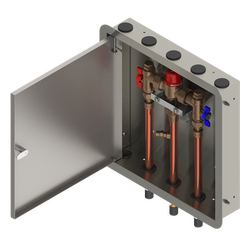
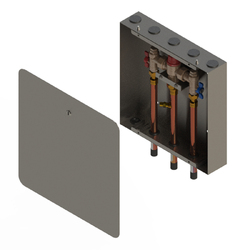
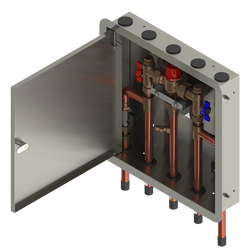
External access to valves and control systems is crucial in correctional settings to ensure safe, efficient, and secure management of plumbing systems without needing to enter inmate areas. It allows staff to quickly shut off water in the event of flooding, vandalism, or misuse, reducing potential damage and safety risks. 

It also enables routine maintenance or repairs to be carried out without disrupting operations or compromising staff safety. By locating controls outside of cells or secure zones, facilities can maintain better oversight and control, while minimising direct contact and associated risks.

Frequently Asked Questions

While all our products are safe and compliant with the stringent Australian Standards, we offerhave additional features that enhance safety for students. 
 

Lead Safe
Stainless-steel or DZR brass products are compliant with new ‘Lead Free Requirements’ to deliver safe water. 

Teeth protection
Our rubber mouthguard for our bubblers offer protection for children’s teeth and health thanks to its unique design and highly fungal and bacteria resistant material. 

Anti-microbial
Galvin Engineering also offer anti-microbial germ-shield coated handle options for optimal protection. 

Hygiene rinse
Our options with automated hygiene rinse remove any stagnant water reducing potential metal leaching from the plumbing system and assisting in minimising the growth of bacteria such as Legionella. This is particularly crucial after prolonged time of non-use such as school holidays.

When it comes to early learning environments, the choice of tapware plays a crucial role in promoting both safety and independence among small children. Several key factors should be carefully considered to create an environment that not only facilitates learning but also prioritises the well-being of the young learners.

Easy operation: In early learning settings, tapware should be designed with the ergonomics of small hands in mind. Opting for handles, levers, or push buttons that are suitable for small hands is essential. Levers and push buttons are often more accessible for young children than traditional 'turn' handles, ensuring that they can effortlessly operate the tap and develop a sense of independence.

Temperature control: Incorporating tapware with features such as scald-protection and thermostatic mixing valves (TMV) to maintain a safe water temperature is imperative. These precautions help prevent accidental burns and contribute to a secure environment

Durable/safe materials: Choosing Lead Safe material ensures that tapware is free from harmful substances, meeting and exceeding state-specific standards for educational environments. This choice not only enhances safety but also ensures the durability of the fixtures in the face of constant use.

Hygiene and cleanability: Young children are more susceptible to illnesses, making hygiene a top priority in early learning spaces. Selecting tapware with smooth surfaces and minimal crevices is crucial for maintaining a hygienic environment. This design choice simplifies cleaning procedures, reducing the risk of germ transmission and supporting the overall health of both children and educators.

Installation height: To foster independence among young learners, tapware should be installed at an appropriate height, allowing children to reach the fixtures comfortably.

Vandal Resistant refers to features or designs of the taps specifically aimed at deterring or preventing acts of vandalism or intentional damage to property. These features can include durable materials, reinforced structures, and tamper-resistant fixtures.

By implementing Vandal Resistant measures, the risk of property damage, disruption of services, and associated costs can be significantly reduced. It is important because it helps protecting the infrastructure and ensures the smooth operation of essential services.

Yes, Galvin Engineering products are designed to excel in all educational environments. We employ durable and vandal-resistant materials, including chrome-plated DZR, stainless steel, and nitrile rubber compounds. These materials have been proven to withstand the test of time, heavy-duty usage in laboratory settings, and the challenging weather conditions of Australia.

Galvin Engineering provides a diverse range of tapware options tailored to cater to various needs within the education sector. When planning the layout of your educational space, you have the flexibility to select from a variety of options, each designed to optimise usability and address specific requirements. 

Self-closing solutions
Our self-closing tapware includes cam-action, lever action, and push-button handles, offering a manual and user-friendly approach. Within our self-closing options, we integrate features like time flow or timed shut-off mechanisms. This plays a crucial role in water conservation, preventing taps left running unintentionally, especially common in educational environments. 

Fully automated solutions
For a more advanced and entirely touch-free experience, we offer fully automated tapware with sensor activation. This design eliminates the risk or cross-contamination from germs and pathogens that may be present on hands, as it removes the need for direct contact. 

Whether you prefer traditional self-closing mechanisms or cutting-edge automated solutions, Galvin Engineering provides a wide selection of tapware options, allowing you to create an education environment that is user-friendly, water-efficient, and adaptable to diverse preferences. 

Yes, absolutely! We understand that there may be unique or project specific needs, and we are committed to providing tailored solutions for your specific requirements. Our bubblers and tapware can be fully customised to meet the unique needs for your facilities. Whether you require specific features, modifications, or custom designs, we have the expertise to deliver products that align with the demands of the education sector.

Feel free to share your specifications, and we'll work closely with you to ensure our products meet all required standards and exceed your expectations. Your success is our priority, and we are dedicated to providing innovative and customised solutions.

Creating a safe and conducive environment for scientific exploration is essential in high-school and university science labs. Adhering to stringent standards ensures that safety equipment and fixtures meet essential criteria, providing students and educators with the necessary tools for experimentation while prioritising their well-being. 

Safety equipment
Our eyewash and showers are crafted to meet the requirements of AS 4775. The standard establishes minimum performance and use requirements, incorporating guidance on dimensional constraints for disabled access, local materials for plumbing components, and principles of good design and manufacture. A critical requirement is the simultaneous operation, where the eyewash must deliver a minimum of flushing fluid at 1.5 litres per minute or 11.4 litres per minute for an eye/face wash. Simultaneously, the drench shower must deliver a minimum of 75.7 liters per minute, ensuring effective emergency response. Our GalvinSafe® emergency equipment, featuring the AXION® designs meets these requirements, offering a medically superior response solution in the industry.

Laboratory tapware
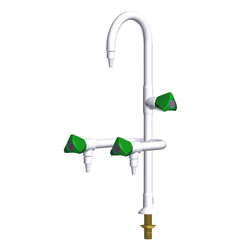
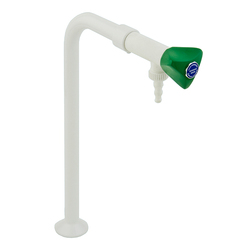
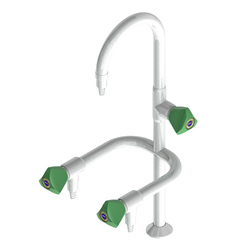
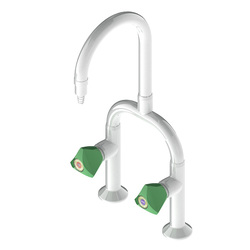
Our Australian Made GalvinLab® laboratory tapware is designed with the specific requirements of education laboratories in mind. AS/NZS 3718 approval ensures the highest quality and functionality. Featuring tough, vandal-resistant handles with a unique locking system for additional safety, these taps are equipped to withstand the demands of a school environment. A comprehensive range of interchangeable nozzles provides flexibility of use, and each tap undergoes rigorous quality testing. The option to order taps in a satin chrome plated finish or chemical-resistant epoxy coating allows customisation to suit the unique conditions of your laboratory.

Gas turrets
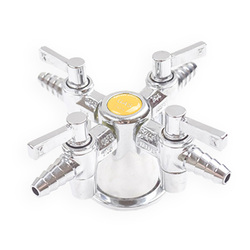
Our AS 4617 AGA certified gas outlets are specifically designed to be used in a school laboratory environment and complies with NSW Education EFSG Guidelines. They are suitable for low pressure gas such as natural gas, town gas or LPG applications. The range of lever gas turrets is supplied standard with a G1/2"/15 BSP male inlet with a 90º reverse chamfer for hose connection, anti-rotation lugs in base, rubber washer, brass backnut, all finished in bright chrome plate or epoxy coating.

 

Yes. The WaterMark Schedule of Products outlines all plumbing products which require WaterMark certification to be authorised for installation in a plumbing system. This schedule includes the following: Metallic taps, plastic taps, mixing taps, sensor (non-touch) taps, lever taps, timed flow taps, mixing taps mechanical (non-thermostatic), and tapsets in a range of nominal sizes from DN 6 to DN 50, generally for continuous operating temperatures not exceeding 80°C. Including the following tap types: bib, bidette, stop, mixing (non-thermostatic), non-touch, washing machine stop, hose, diaphragm, pillar, laboratory, hand spray, drinking fountain, self-closing, ferrule and tapware with an integral pop up-waste.
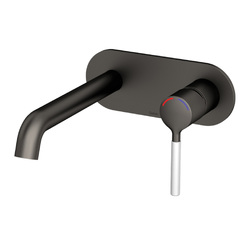
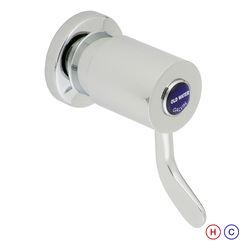
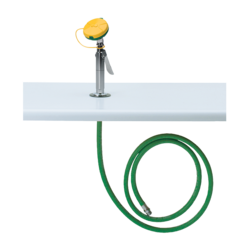
We provide distinct specification guides tailored to individual states, outlining the unique standards and requirements for each state. These guides comprehensively detail which of our products not only fulfill but also excel in meeting the diverse state-specific standards, ensuring suitability and compliance with the varying education industry design requirements.

Check out our state-specific spec guides here.

Frequently Asked Questions

Our tapware includes auto-flushing, in-situ disinfection, and self-draining spouts to reduce bacterial growth and improve hygiene.

Our Lead Safe™ tapware and TMV systems protect patients by ensuring safe water quality and precise temperature control.
TMV systems prevent scalding and maintain safe water temperatures, meeting healthcare safety standards for patient protection.

Yes. We offer hospital-grade basins and sinks designed for infection control, accessibility, and durability in high-use environments.

Smart features like auto-flushing and self-draining spouts reduce stagnation and bacterial growth, supporting strict hygiene protocols.

We offer BIM files, installation guides, compliance documentation, and locally stocked spare parts for quick maintenance.

Frequently Asked Questions

Galvin product range covers water (including special water), gas and other dry services, with bench‑, wall‑ and suspended‑mount options, plus media‑specific valves, nozzles and fittings for modern research and education labs.

Yes. All Galvin laboratory products comply with relevant Australian standards, hold WaterMark and WELS certification as required, and meet NCC requirements, ensuring reliability in critical environments such as hospitals, universities, and research labs.

Our tapware is manufactured using corrosion-resistant materials suitable for handling a wide range of chemicals. Contact us for specific chemical compatibility details.

Yes. Galvin products are widely used in educational laboratories, offering robust performance, easy cleaning and safety features for high-use environments.

Yes. We can tailor configurations for large or small projects, including media layouts, handle indexing and finishes to suit lab requirements and local standards. Speak to our team for tailored configurations.

Absolutely. Galvin offers emergency eyewash stations and safety showers to protect laboratory personnel from chemical exposure and accidents, meeting AS 4775 compliance.

Explore our Safety Equipment range

Frequently Asked Questions 

Designing for mental health requires balancing two critical aspects:

  • Managing Risks: Create safe environments that minimise opportunities for self-harm or harm to others. This includes using ligature-resistant and vandal-resistant fixtures, removing hazards, and ensuring robustness and durability of all fittings.
  • Promoting Autonomy and Control: Support patient dignity and independence by providing choices, privacy, and spaces that encourage social interaction. Design should foster a sense of ownership and normalisation, helping patients feel less institutionalised.

This balance ensures safety without compromising therapeutic goals, creating environments that are secure yet supportive.

Normalisation in mental health facilities refers to creating environments that resemble everyday life rather than institutional settings. The goal is to promote dignity, independence, and social interaction for individuals with mental health conditions. Key principles include:

  • Designing spaces that feel homelike and non-clinical
  • Encouraging autonomy and self-determination
  • Supporting social connections and community participation
  • Reducing stigma and fostering inclusion

By prioritising normalisation, facilities can create therapeutic environments that empower individuals and support their successful transition back into society.

Anti-ligature/ligature-resistant design refers to features that prevent or minimise the risk of ligature attachment, a common method of self-harm. These measures are essential in mental health and correctional facilities to protect vulnerable individuals. Key elements include:

  • Rounded edges and smooth surfaces
  • Concealed fittings and tamper-proof fixings
  • Anti-grip surfaces

By incorporating these design elements, the risk of self-harm is significantly reduced, creating safer environments that support recovery and dignity without compromising functionality.

Learn more about ligature resistance

Anti-vandal/vandal resistant design refers to features that prevent or minimise the risk of intentional damage or tampering in high-risk environments. These measures are essential in mental health, correctional, and secure care facilities to maintain safety and reduce maintenance costs. Key elements include:

  • Heavy-duty materials such as stainless steel or reinforced composites
  • Tamper-proof fixings and concealed fittings
  • Impact-resistant structures to withstand force
  • Protective coatings to resist scratching and corrosion

By incorporating these design elements, vandal-resistant fixtures ensure reliability, reduce downtime, and create secure, well-maintained spaces that support patient care without compromising functionality..

Learn more about vandal resistance

Yes. The Australian Health Facility Guidelines (AusHFG) provide clear recommendations for mental health environments:
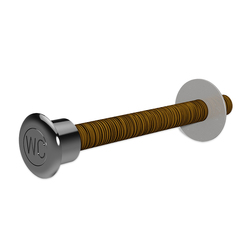
  • Physical Safety Requirements: Architects and designers should focus on eliminating or reducing ligature risks. Anti-ligature/ligature-resistant products mitigate—rather than eliminate—risk, so operational protocols remain essential.
  • Plumbing Fixtures: All fixtures and fittings in consumer ensuites and bathrooms should be specifically manufactured and marketed as ligature-resistant, installed per manufacturer instructions. They should be concealed or shrouded with tamper-proof fixings and resistant to breakage or removal.
  • Additional Measures: Where possible, toilet cisterns should be concealed, and basins shrouded with tamper-proof fixtures to prevent tampering and ensure safety. These requirements apply to consumer toilets and visitor toilets within inpatient units.

Galvin products are designed to meet these guidelines and relevant Australian Standards, supporting safer, compliant mental health spaces.

Currently, there are no specific Australian Standards for ligature-resistant products. To ensure safety and durability, Galvin conducts rigorous in-house testing through our Research and Development team. Additionally, our partner Wallgate in the UK tests products to recognised standards, including BS ISO 1972-3:2007 for decorative solid surface materials. These processes guarantee that our solutions meet the highest performance and safety requirements for mental health environments.

In mental health facilities, tapware and sanitaryware must be robust, durable, and homelike to withstand demanding conditions. Common materials include:

  1. Stainless Steel - exceptional strength, corrosion resistance, and hygienic properties. 
  2. Brass - excellent durability, structural integrity, and resistance to corrosion. 
  3. Solid Surface - enhanced strength, impact resistance, and dimensional stability, minimising breakage and ensuring long-term performance.

When selecting tapware and sanitaryware for mental health environments, look for design elements that minimise ligature risk, vandalism, and harm to self or others. Key features include:

  • Rounded and smooth edges
  • Concealed fittings
  • Ligature-resistant spouts and controls
  • Breakaway or load-limiting features
  • Anti-grip surfaces
  • Robust construction

These features work together to create safer, more secure spaces without compromising functionality or hygiene.

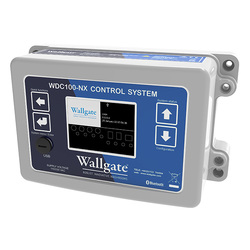
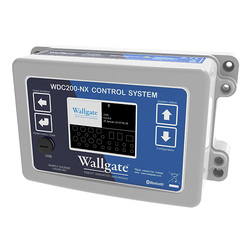
Our mental health range includes ligature-resistant tapware, showers, Wallgate solid-surface toilets and basins as well as grab rails, drains and electronic controllers.

Yes. Galvin can tailor configurations for mental health environments, including ligature-resistant tapware, sanitaryware, grab rails, and drains. We also offer finish options and media layouts to meet project-specific requirements.

Visit our case studies section to see successful mental health projects featuring GalvinCare® and Wallgate solutions in hospitals, secure care, and rehabilitation facilities.

Case Studies | Galvin Engineering

Frequently Asked Questions

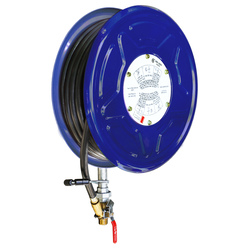
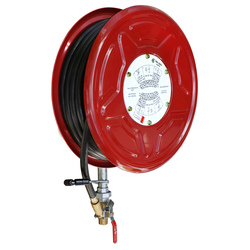
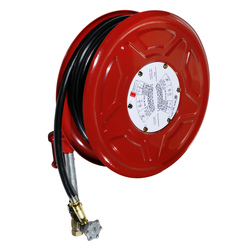
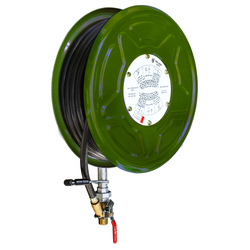
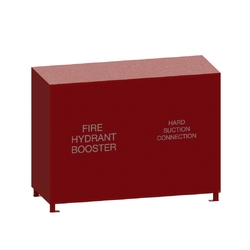
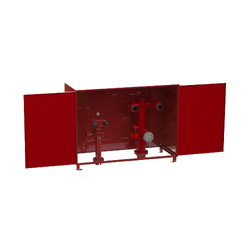
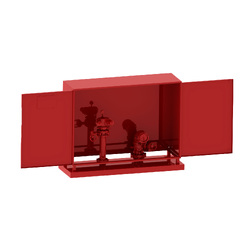
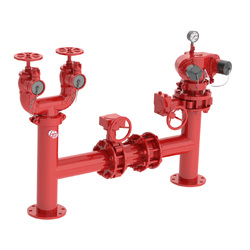
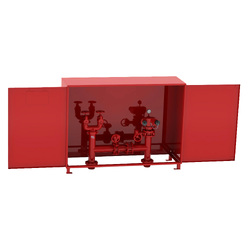
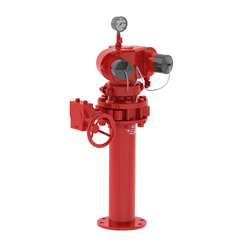
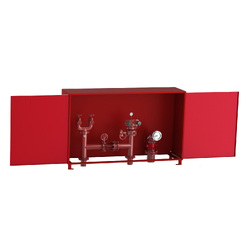
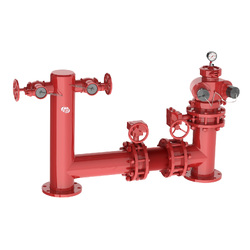
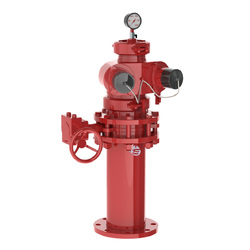
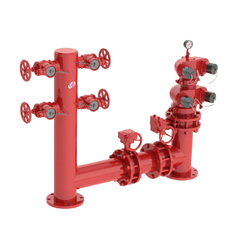
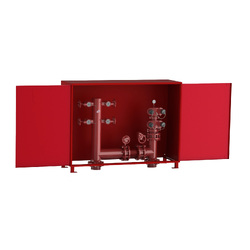
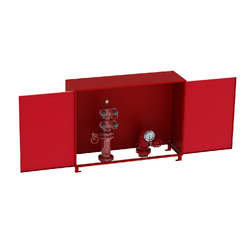
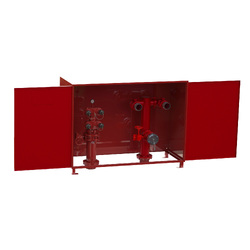
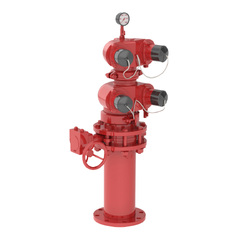
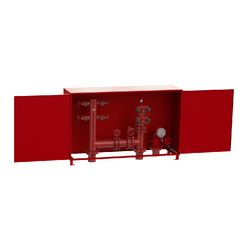
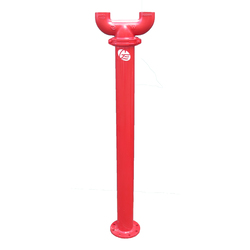
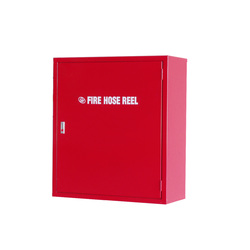
Galvin’s Red Emperor® range includes hydrant boosters, hose reels, valves, and civil fittings designed for durability and compliance.

Our products comply with NCC 2022, AS/NZS standards, AS 2419.2, and WaterMark certification, ensuring safety and reliability.

Public infrastructure is prone to misuse. Our tamper-proof designs reduce damage, downtime, and maintenance costs.

Yes. Galvin provides hydrant boosters and hose reel cabinets tailored to meet state-specific fire protection requirements.

Our Red Emperor® range is engineered for harsh conditions, reducing maintenance and replacement costs over the lifecycle of the installation.

Frequently Asked Questions

When specifying products for public environments, it’s important to prioritise durability, vandal-resistance and long-term reliability. You should also consider hygiene performance, water efficiency, accessibility compliance and ease of maintenance to ensure the facility remains safe, functional and cost-effective over its lifecycle.

Outdoor and coastal environments demand materials that can withstand harsh exposure. Stainless steel, solid brass and corrosion-resistant finishes help protect against UV, salt spray, humidity and temperature fluctuations, ensuring fixtures remain reliable and visually appealing for longer.

Vandal resistant designs include tamper-resistant screws, heavy-duty handles, and sensor-operated controls. These features reduce the risk of damage, misuse, or theft while maintaining smooth operation for users.

Tapware and fixtures need to comply with relevant accessibility standards, offering easy operation, clear visibility, and ergonomic design. Lever-style handles, sensor activation, and correctly positioned fixtures all help create inclusive, compliant spaces.

Using features like sensor-activated taps, flow regulators, and aerated outlets can significantly reduce water use. These solutions ensure water is only used when needed, helping high-traffic facilities lower consumption, cut costs, and support sustainability goals.

Frequently Asked Questions

We use compact, modular fixtures and optimise layouts to maximise functionality without compromising accessibility or hygiene.

Galvin designs ergonomic levers, sensor taps, and layouts that meet NCC and AS/NZS accessibility standards, even in confined areas.

Our tapware is built from durable, vandal-resistant materials designed to withstand constant use and reduce maintenance costs.

Smooth, non-porous surfaces and touchless technology help prevent bacteria build-up, while Lead Safe™ tapware ensures safe water quality.

Timed-flow and self-closing taps reduce water waste, supporting sustainability targets without compromising passenger convenience.

We offer specification guides, BIM files, compliance documentation, and locally stocked spare parts for quick installation and maintenance.